

Guide
How to play 911 Operator
Where to buy


PC requirements
Can your PC run 911 Operator?
- Minimum RAM:
- 1024 MB
- Minimum graphics:
- 512 Mb
- Minimum storage:
- 500 MB
You play as an emergency dispatcher in a simulator that puts you in charge of 911 calls and coordinates police, firefighters, and medical services: that's 911 Operator. Set in real or fictional cities, the game stands apart from other simulators by focusing on managing resources under pressure, combining real-time strategy with quick, precise decisions. Its premise is simple but effective: take calls, identify emergencies, and send the right units before the situation gets worse, all while teaching you something along the way.
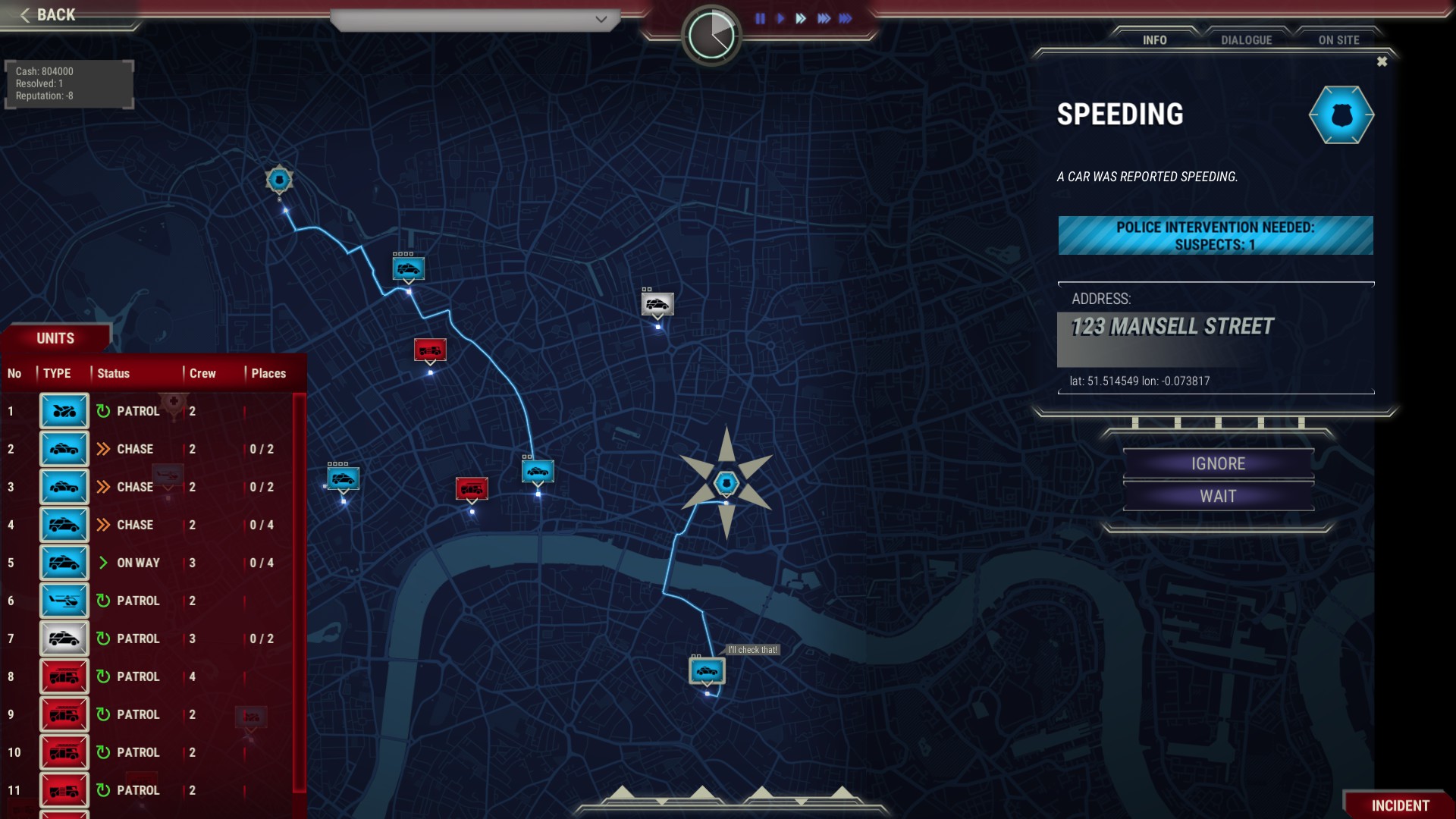
Each session has you taking phone calls from citizens reporting a range of incidents, from robberies to car crashes or fires. Every call requires you to judge how serious it is and send the right service: police, firefighters, or ambulances. Your available units are limited and have to travel across the map, so you'll be juggling response times and priorities. A typical run means staying calm as the number of calls keeps climbing, with each one carrying specific details that change how you deploy your resources.

When you start, get familiar with the map and the units you have. It's best to begin with small cities so you can learn the pace of the game without getting overwhelmed. During your first hour, practice in free mode to get a feel for the different types of emergencies and how to assign resources to them. Pay attention to the time and priority indicators, since some incidents need an immediate response while others can wait. Don't try to handle every call at once. Learn to prioritize based on how dangerous each situation is.
To move forward, you need to understand how resource assignment and unit movement work. Each service has its own strengths: police handle crimes and disturbances, firefighters put out fires and rescue people, and paramedics provide first aid. Learn to manage unit availability, because sending many units to one place can leave other areas unprotected. Also get comfortable with the quick controls for dispatching multiple units efficiently.

New players often make mistakes like sending the wrong type of service or underestimating response times. Another common error is piling too many units onto a single incident while other emergencies get worse. To avoid this, take a moment to assess each call and only assign resources when they're actually needed. It also helps to keep a reserve of units for unexpected emergencies that come up while you're handling other calls.
Over time, you'll develop strategies to optimize your response. Balance sending units to urgent incidents with keeping some available for new calls. Learn to spot patterns in the types of emergencies that occur in different parts of the city, which will help you anticipate what's needed. Use pause strategically to plan your moves without losing real time to the chaos of a crisis.

911 Operator is designed for players who enjoy management simulators with real-time strategy elements. It appeals to those who want a mental challenge without the complexity of more hardcore games, and to anyone curious about how emergency services actually work. Its casual, educational nature makes it easy to pick up, while the stress of juggling multiple crises keeps it engaging for players who want a realistic challenge.
911 Operator came out on 24 de febrero de 2017. Platforms, genres and ratings are on the 911 Operator game page.
Related games


Last updated: 6 de noviembre de 2026.
Powered by PairProgramming · custom software development, AI and automation.