Guide
How to play Agent 64: Spies Never Die
Where to buy


PC requirements
Can your PC run Agent 64: Spies Never Die?
- Minimum RAM:
- 8 GB
- Minimum graphics:
- NVIDIA GTX 1050 Ti
- Minimum storage:
- 4 GB
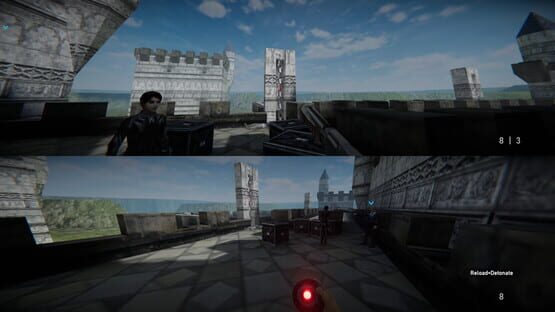
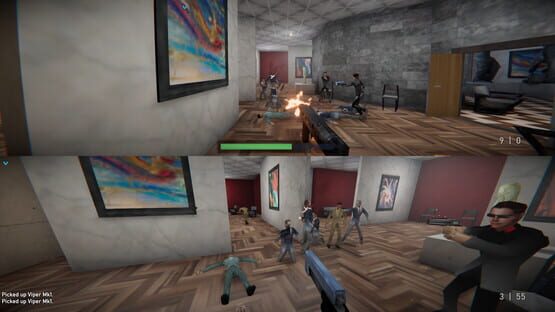
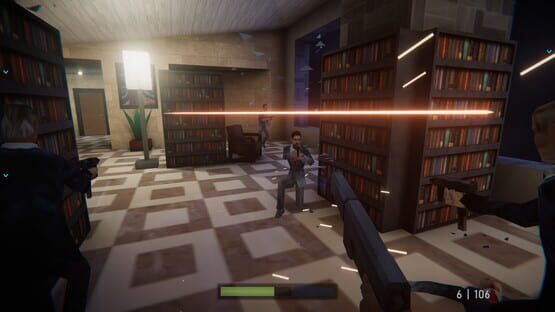
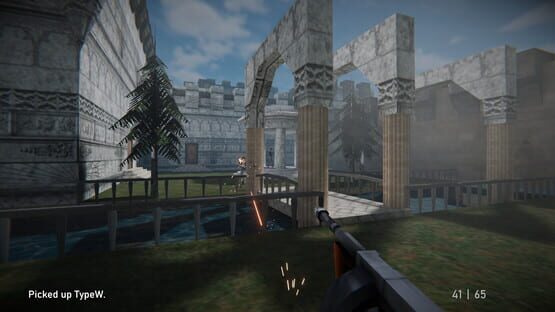
John Walter, a former special agent forced back into action to save the world once more, stars in this tribute to the console shooters of the nineties. The story pits him against the ghosts of his own past as he tries to protect the future, in an espionage plot that mixes varied objectives with enemies driven by an AI designed to imitate the power of those 64-bit consoles. Agent 64: Spies Never Die aims straight at the nostalgia of that golden age of retro shooters, with bullets and secrets intertwined in every mission.
You work through the espionage levels by completing objectives while facing enemies that look and behave like those classic console shooters. Retro shooters of this kind usually have a level structure with specific objectives to complete, mixing direct combat with a bit of exploration to find alternate routes or hidden items in the level. The overall pace tries to recreate the feeling of straightforward action and clear objectives that defined the shooters of that console generation.
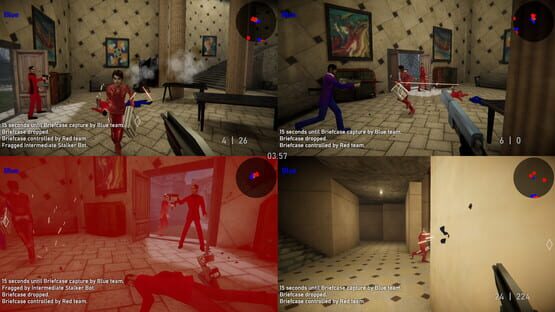
John Walter responds best when you master shooting and movement first, something worth practicing before you rush into the toughest objectives of each mission. It's a good time to explore the early levels at a relaxed pace, understand how the enemy AI reacts, and learn to read the patterns of the first encounters before the difficulty starts to climb. In retro shooters like this, it usually pays to treat the opening levels as an introduction to the game's overall rhythm, since the basics you learn there end up being useful throughout the rest of the espionage campaign.
The objectives of each mission, combined with the behavior of the enemy AI, are what you need to understand to move through the espionage plot with confidence. Recognizing which type of engagement fits each situation, whether head-on or looking for alternate routes, matters more than relying on aim alone. On top of that comes John Walter's own progression through the story, which in retro shooters like this usually comes with new tools or enemy variants as the espionage plot moves toward its resolution.
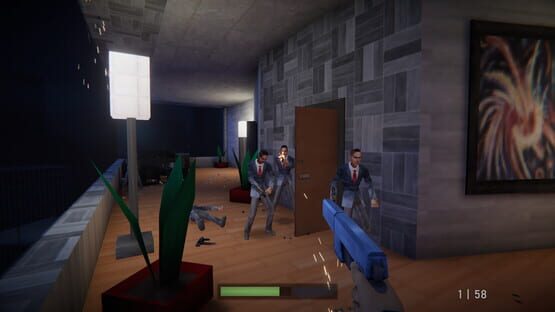
Firing nonstop, ignoring that enemies with this AI react better than you'd expect to a frontal attack, is the first stumble of almost any new player. Skipping the exploration of levels in search of alternate routes also costs you, since it leaves all your progress to direct combat. Underestimating the early levels because they look easy is another slip, when in fact they lay the groundwork for the handling you need for the harder objectives that come later.
Taking a moment to look over the level before advancing with guns blazing helps you spot alternate routes that make a good share of the objectives easier. Switching between direct combat and a more cautious approach, depending on what each mission calls for, usually works better than always using the same strategy against the enemy AI. Paying attention to enemy patterns in the early levels helps you anticipate similar behavior in the more advanced missions of the campaign.

Available since August 2026, exclusively on Windows PC, this retro shooter developed and published by Replicant D6 targets those who grew up with nineties console shooters, or who simply enjoy straightforward action with clear objectives. The espionage campaign starring John Walter offers something tailor-made for that nostalgia if you want to relive it.
Agent 64: Spies Never Die came out on 11 de agosto de 2026. Platforms, genres and ratings are on the Agent 64: Spies Never Die game page.
Related games



Last updated: 23 de noviembre de 2026.
Powered by PairProgramming · custom software development, AI and automation.