


Guide
How to play Binary Domain
Where to buy


PC requirements
Can your PC run Binary Domain?
- Minimum RAM:
- 2GB RAM (XP)/3GB RAM (Windows 7
- Minimum graphics:
- NVIDIA GeForce GT220 (512MB)
- Minimum storage:
- 8 GB free hard drive space
In a futuristic Tokyo in 2080, a world where global warming has forced humanity to build new cities on the ruins beneath the water, Binary Domain takes place. Advanced robotics is the backbone of this society, but a disturbing threat emerges: the Hollow Children, robots so sophisticated they are indistinguishable from humans. The core premise revolves around an investigation into these beings, banned by the New Geneva Convention, led by an international squad, the Rust Crew, who travel to Japan to find Amada, the head of the robotics company that bears his name. What sets the game apart is its focus on interaction with the artificial intelligence of your squadmates, aiming to capture human drama in the middle of the action.
This is a third-person shooter in which the player takes on the role of Sergeant Dan Marshall. A typical session involves moving through futuristic environments, facing hordes of enemy robots and using a cover system similar to other titles in the genre. The central mechanic that makes it stand out is the ability to give orders to your platoon mates, either with controller buttons or, in an innovative way, through voice commands using a headset. Additionally, the trust system with your teammates is fundamental, since their interactions and the progression of the story are directly affected by the player's actions and decisions.
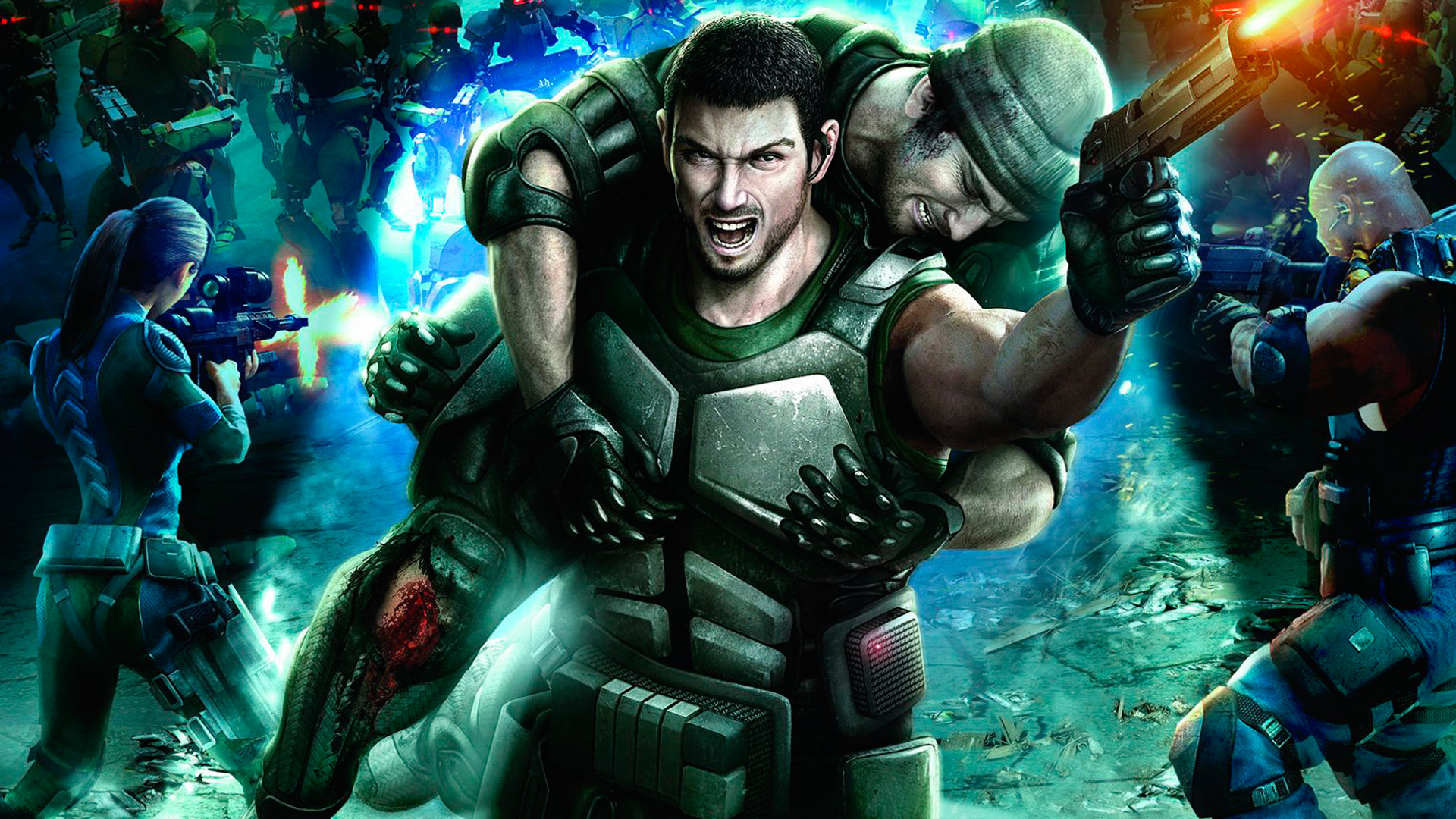
When you start the adventure, it's worth getting familiar with the cover system and the shooting mechanics. During the first hour, pay attention to how your teammates react to your actions and decisions. Experiment with voice commands if you have a headset, since they are a key feature for getting into the story and managing your team more dynamically. Understanding how your words and actions influence team trust will be crucial from the start.
To progress effectively, there are two key systems you need to master. The first is the trust system: decisions in real-time conversations, whether you support or disagree, and your performance in combat all affect how your teammates see Sergeant Marshall. A high level of trust can influence the story and the behavior of the characters. The second important system is the shops, spread throughout the game. These let you spend the credits earned by defeating enemies on upgrades for the protagonist's and the rest of the platoon's weapons, and on nanomachines, which improve their attributes and are slotted in like puzzle pieces.

A common beginner mistake is ignoring the importance of team trust. Thinking of it as just a cosmetic detail can lead to situations where your teammates don't respond as effectively, or where the story suffers as a result. To avoid this, pay attention to interactions and try to keep a good relationship with your platoon. Another mistake is neglecting upgrades. Not investing credits in the shops, or doing it haphazardly, can make the tougher battles harder, since enemies become more challenging.
To get ahead, consider these strategies: use cover wisely to minimize the damage you take in combat. Experiment with voice commands to coordinate attacks, ask for help, or praise your teammates, since this can have a positive impact on trust. In the shops, prioritize upgrades that complement your playstyle or reinforce your team's weaknesses. Keep a balance between upgrading your weapons and buying nanomachines, thinking about the overall makeup of your squad.

This game is designed for players who enjoy third-person shooters with a strong narrative component and who want an experience where interaction with non-player characters goes beyond simple scripted dialogue. If you value the sense of being there and the ability to influence your team's relationships through your actions and words, you'll find Binary Domain an interesting proposal. It's also well suited to fans of a well-developed futuristic setting and a plot with science fiction elements and ethical dilemmas about artificial intelligence.
Binary Domain came out on 16 de febrero de 2012. Platforms, genres and ratings are on the Binary Domain game page.
Related games


Last updated: 6 de noviembre de 2026.
Powered by PairProgramming · custom software development, AI and automation.