Guide
How to play Breakout
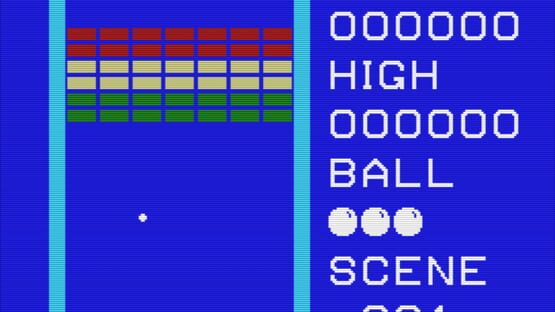
Released in 1976, Breakout is an arcade classic that laid the groundwork for many games that followed. The premise is simple: the player must destroy a wall of bricks at the top of the screen using a bouncing ball. What sets it apart is its simplicity and its addictive mechanics, which combine precision and reflexes in a minimalist yet challenging setting. The setting is abstract, with no complex story, which keeps the focus entirely on gameplay.
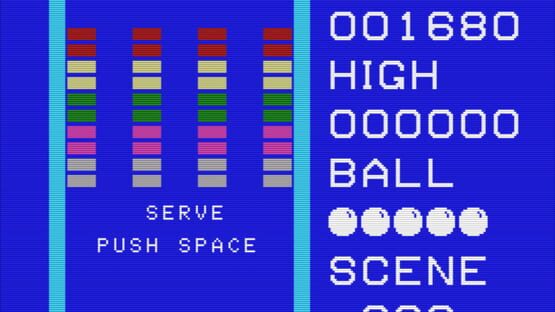
You control the game by moving a horizontal paddle along the bottom of the screen to return the ball and keep it from falling. A typical match consists of clearing all the bricks in each level before you run out of lives, which in this case means five balls. The core mechanic revolves around the ball's bounces: the angle at which it hits the paddle or the bricks determines its trajectory, which adds a layer of strategy to what looks like a simple game. There are no predefined levels beyond the initial brick layout, and the challenge increases as you advance.

When you start, the most important thing is getting used to the paddle's movement and how the ball behaves. During your first hour, it's worth practicing paddle control so you can keep the ball in play for as long as possible. It helps to watch how the ball bounces off the edges of the screen and the bricks, since this makes it easier to anticipate its trajectory. There are no customization options or abilities to unlock, so progress depends entirely on the player's skill.
The key system to understand is bouncing. The ball changes direction depending on which part of the paddle it hits: near the edges the angle will be steeper, while hitting the center sends it more vertically. In addition, some bricks may take more than one hit to destroy, which forces you to plan your bounces ahead. Losing the ball is unavoidable at first, but reducing your mistakes is essential if you want to last longer in each match.
One of the most common mistakes beginners make is moving the paddle abruptly or reactively, which often leads to losing the ball. To avoid this, it's best to keep your movements smooth and anticipate the ball's trajectory instead of reacting at the last moment. Another frequent mistake is not taking advantage of angles: many players don't realize they can control the ball's direction precisely, which limits their ability to break bricks efficiently.
To improve faster, one concrete tip is to keep the ball in the center of the screen for as long as possible, since this gives you more room for error. It also helps to practice "ball control," meaning keeping the ball close to the paddle so you have more chances to adjust its trajectory. On levels with tougher bricks, prioritizing the ones in the corners can keep the ball from getting trapped in hard-to-reach areas.
Players who enjoy challenges based on pure skill and precision will find in Breakout a true classic of precision. It isn't a narrative or exploration game, but an arcade experience that rewards patience and practice. If you want a simple game with mechanical depth, or you want to relive the essence of classic arcade games, Breakout is a great choice. Its simplicity makes it accessible, but mastering it takes time and dedication.
Breakout came out on 13 de mayo de 1976. Platforms, genres and ratings are on the Breakout game page.
Related games





Last updated: 11 de noviembre de 2026.
Powered by PairProgramming · custom software development, AI and automation.