
Guide
How to play Call of the Elder Gods
Where to buy


PC requirements
Can your PC run Call of the Elder Gods?
- Minimum RAM:
- 8 GB
- Minimum graphics:
- Nvidia GeForce GTX 1050 Ti
- Minimum storage:
- 25 GB
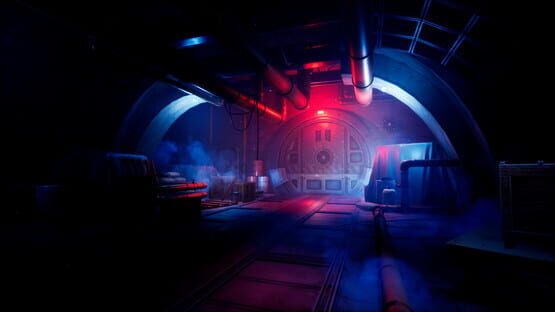
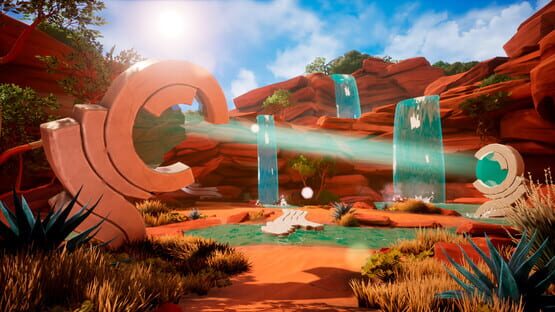
The shadows of the universe created by H. P. Lovecraft creep into this narrative puzzle adventure, which picks up the cosmic mystery tone of Call of the Sea, the 2020 title it follows as a sequel. The story follows Professor Harry Everhart, who tries to ignore presences moving at the edges of his vision, and the student Evangeline Drayton, tormented by impossible dreams about an artifact discovered a decade ago. Miskatonic University serves as the starting point for an investigation that promises revelations older than either character imagines.
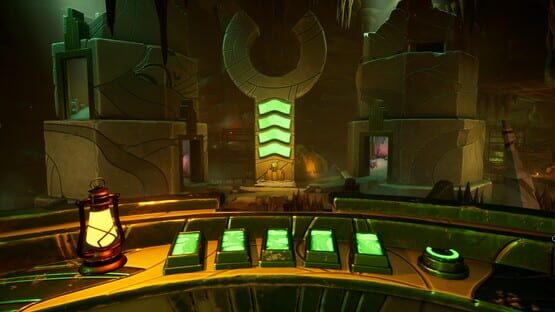
The narrative puzzle adventure genre usually relies on the slow exploration of detail-rich settings and on solving environmental riddles that also push the story forward. In this kind of game, a typical session combines reading documents and objects, spotting visual clues, and working mechanisms that are rarely solved at a glance. The strategic element that the puzzle and strategy genres add suggests that certain challenges will ask you to plan several steps ahead before acting, rather than being solved by immediate trial and error.
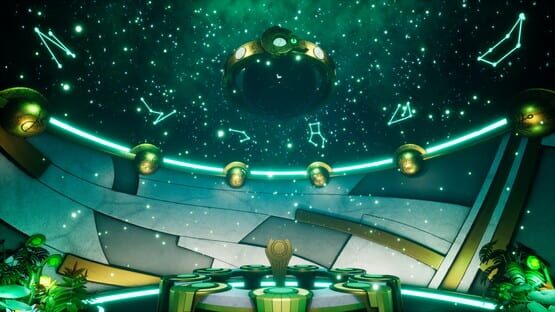
It pays to master the exploration and interaction controls early, since the rest of the experience rests on them. Reading every note and examining every interactive object also helps, because in narrative adventures like this one, details that look decorative often hide the key to a later riddle. Getting used to the slow pace of the story, instead of trying to rush it, lets you enjoy the mystery atmosphere of Everhart and Drayton's story more fully.
Progressing in this kind of game depends on connecting the information you gather across different settings, because clues rarely show up all together in one place. Understanding the internal logic of each puzzle, which tends to follow the Lovecraftian setting of ancient artifacts and forgotten symbols, is more useful than looking for shortcuts outside the story itself. Following two characters in parallel, each with a separate timeline, also means paying attention to how their discoveries will cross later on.
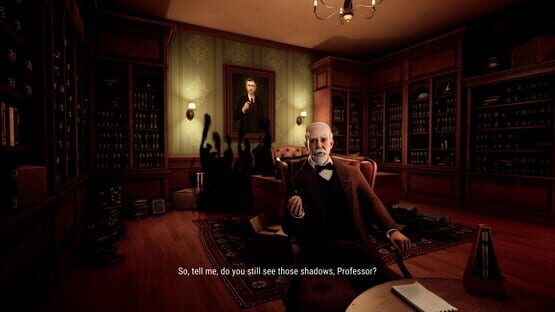
It is easy to overlook objects that seem to have no immediate purpose, when those very items often trigger later riddles in narrative puzzle adventures. Another common slip is moving on to the next area without exhausting the available interactions, which forces you to retrace your steps later. Underestimating the weight of the narrative, treating it as mere decoration between one puzzle and the next, also makes you miss much of the point of the plot.
Keeping a mental note, or even a written one, of the symbols and proper names that appear throughout the story makes it easier to connect revelations that arrive several hours later. Looking over the whole scene before touching any mechanism usually saves needless backtracking, especially in riddles that combine several objects at once. Spacing out your play sessions, instead of finishing it in a single sitting, also helps sustain the tension that this kind of cosmic mystery story builds little by little.
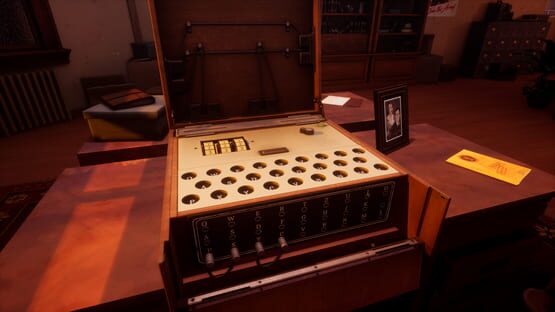
Fans of Call of the Sea and, in general, those who prefer slow-burn mystery over direct action will find in this sequel a natural continuation of that approach. Nintendo Switch, Nintendo Switch 2, Windows PC, PlayStation 5 and Xbox Series X|S get the game from May 2026, with Out of the Blue Games handling development and Kwalee as the publisher in charge of its launch.
Call of the Elder Gods came out on 12 de mayo de 2026. Platforms, genres and ratings are on the Call of the Elder Gods game page.
Related games


Last updated: 23 de noviembre de 2026.
Powered by PairProgramming · custom software development, AI and automation.