


Guide
How to play Dear Esther
Where to buy


Dear Esther takes place on an uninhabited island in the Outer Hebrides archipelago. You play an anonymous protagonist who explores the landscape while a voice-over reads fragments of letters addressed to a woman named Esther. What sets this title apart is how radically it departs from traditional video games: there are no clear objectives, no puzzles to solve and no enemies to face. Instead of conventional game mechanics, the experience centers on environmental atmosphere and a fragmented narrative that unfolds gradually as you advance, creating an intimate, reflective experience that some have likened to Japanese visual novels because of its minimal interaction.
The game plays out as a walk across a beautifully rendered island, where your only real interaction is moving through the environment. There is no combat, no item collecting and none of the usual progression systems. A typical session consists of freely exploring the landscape, climbing hills, walking along beaches and making your way into caves and abandoned structures. The story unfolds through the voice-over, which delivers fragments of letters that trigger automatically when you reach certain areas of the map. What's unusual is that these fragments are selected semi-randomly, which means each playthrough can offer slight variations in the story being told, although the overall experience stays coherent.
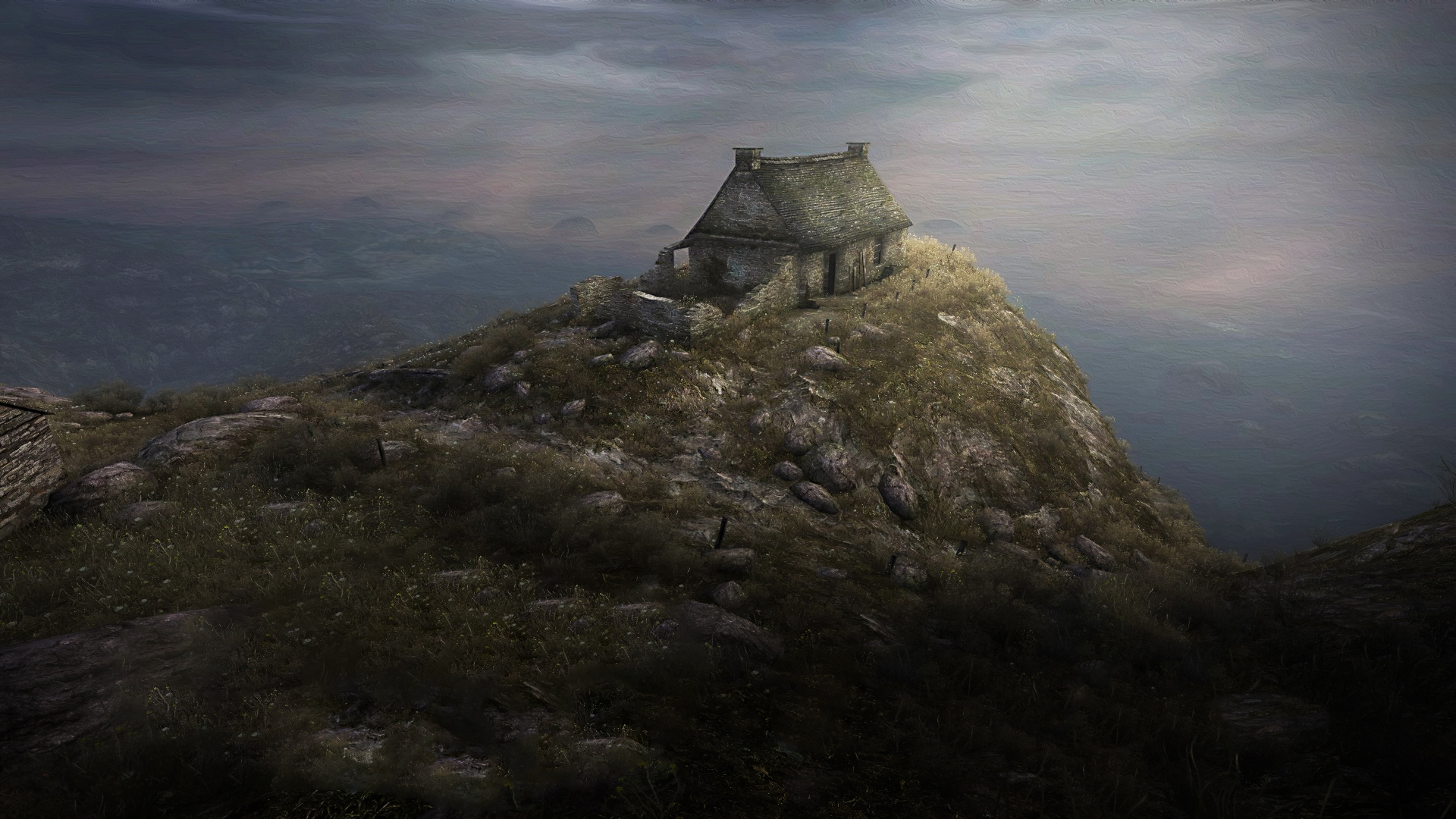
When you start your first hour in Dear Esther, take your time to get used to the basic movement and camera controls. The game has no tutorial and no explicit instructions, so the best strategy is simply to walk and explore without rushing. Notice how the landscapes change as you move forward and pay attention to the narrative fragments that trigger in different locations. Don't try to look for a "correct" path or for solutions to problems that don't exist. Instead, let the experience carry you across the island, and watch for details in the environment that might be connected to the story you're being told.
To make progress in Dear Esther, there are no traditional systems to master, but there are a few key things to keep in mind. The first is conscious exploration: certain specific areas will trigger important story fragments, so it helps to move with attention. The second is understanding the fragmented narrative: letter fragments repeat and are skipped at random, so listening closely and trying to connect them is essential to piecing together the full story. Finally, patience is essential, since the game rewards contemplation and reflection, not speed.

Among the common beginner mistakes in Dear Esther is constantly looking for objectives or completable tasks, since the game has none. Another mistake is getting frustrated by the lack of interaction or by not knowing what to do "next"; in reality, there is no predetermined next step. It's also common to overlook details in the environment by focusing only on the narrative, when the landscapes and objects are often loaded with symbolism that complements the story.
To get the most out of Dear Esther, adopt a slow, reflective exploration mindset. Walk slowly and turn the camera to take in every corner of the environment, since certain views can trigger important story fragments. Don't worry about getting "lost" on the island, since there are no wrong paths. Listen closely to each letter fragment and make a mental note of repetitions or omissions, since this can give you clues about the narrative structure. Finally, let the experience affect you emotionally without looking for definitive answers, since part of the game's charm lies in how open it is to interpretation.

Dear Esther is made for players who want an introspective narrative experience more than a gameplay challenge. If you enjoy stories that invite reflection, dense atmospheres and artistic experiences that put mood ahead of action, this game could resonate with you deeply. It's also a good fit for those who value visual novels or interactive cinematic experiences, as well as those who appreciate the possibility of multiple interpretations and a nonlinear narrative. However, if you're looking for action, challenging puzzles or a clear structure with achievable goals, this minimalist experience might not be the best match for your tastes.
Dear Esther came out on 14 de febrero de 2012. Platforms, genres and ratings are on the Dear Esther game page.
Related games


Last updated: 24 de noviembre de 2026.
Powered by PairProgramming · custom software development, AI and automation.