
Guide
How to play Final Fantasy III
Released in 1994, Final Fantasy III is a role-playing adventure game that places you in a classic fantasy world filled with kingdoms, towns and wilderness. The story follows a group of heroes who must face a threat to the peace of the continent, and what sets it apart from other titles in the series is the large number of playable characters, which gives you a wide variety of play styles and story development.
The game uses a combat style based on the Active Time Battle (ATB) system, which combines the flow of turn-based play with the need to make decisions quickly. A typical session starts with creating a save file, choosing your starting party and exploring the map, moving between 2D environments and random or scripted encounters. The core mechanics include building a party of up to four characters (although at certain points the story requires you to manage three different parties), using each character's unique abilities, earning ability points (AP) to learn spells through magic equipped in items called magicite, and the occasional activation of desperation attacks when a character is low on health.

In the first few minutes of the game, the best approach is to move forward far enough to find the first town or safe area, where you can open the character management menu. There, it's worth checking the party's makeup, assigning each member a position that takes advantage of their special ability, and equipping magicite so you can start learning basic magic. It's also useful to save before entering areas with stronger enemies and, if the game allows it, to explore the surroundings to pick up items and gil that will help you upgrade equipment and buy consumables. During the first hour, your priority is to get familiar with the controls, the ATB system and how to switch characters from the battle menu.
The key systems every beginner should understand are save management and character rotation, the strategic use of magicite items to unlock and strengthen spells, and the importance of desperation attacks, which can turn the tide of a critical fight. Understanding how AP accumulation works and how each character learns magic lets you optimize growth and avoid running out of useful options at decisive moments.
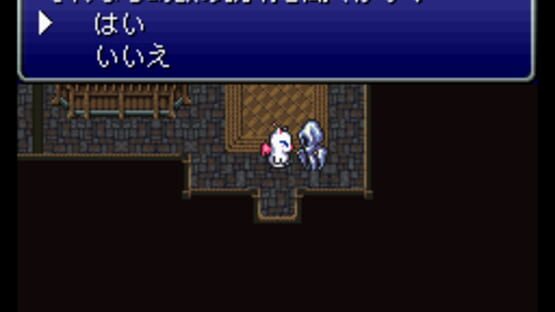
The most common beginner mistakes include focusing on a single type of character and neglecting variety in the party, which reduces flexibility against enemies with different resistances. Another frequent mistake is not equipping magicite or not investing AP in spells that complement combat abilities, which limits your offensive and defensive potential. Many players also ignore desperation attacks, assuming they are random and irrelevant, when they can actually deal significant damage when health is low. Finally, forgetting to save regularly risks losing important progress after unexpected defeats.
To move forward more efficiently, rotate characters with healing or support abilities in longer fights, while characters with strong attacks or specific tools should lead against bosses. Always keeping at least one party member equipped with a magicite that lets them cast cures or elemental barriers helps you survive unexpected hits. Making use of desperation attacks when health is critical can be the difference between winning and losing, so watch the health indicator and activate a defensive ability before the desperation attack triggers to maximize its effect. Saving at safe points and checking your inventory after each area you explore ensures you don't lose valuable items and keeps your gear up to date.

If you enjoy a classic role-playing experience that emphasizes exploration and the strategic management of a diverse party, this title is a good fit. If you like fantasy worlds with a story that unfolds little by little and you enjoy experimenting with different character combinations to overcome challenges, you'll find a lot of satisfaction here. It also suits those who value gradual skill progression and gear customization through collecting items and improving stats. Fans of turn-based combat systems, where planning attacks and defenses makes the difference, will feel comfortable with the game's pace. On the other hand, players who prefer constant action or real-time mechanics may find the pacing a bit slow, although the tactical depth makes up for that calm. If you appreciate traditional RPGs, with a gentle learning curve, a story that rewards curiosity and patience, and you're willing to invest time in uncovering secrets and optimizing your party, Final Fantasy III will be a rewarding and memorable experience.
Final Fantasy III came out on 2 de abril de 1994. Platforms, genres and ratings are on the Final Fantasy III game page.
Related games
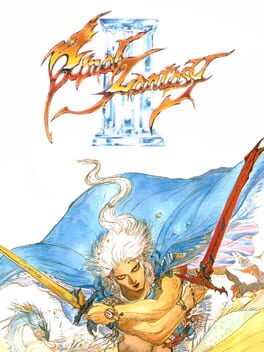





Last updated: 24 de noviembre de 2026.
Powered by PairProgramming · custom software development, AI and automation.