

Guide
How to play Fire Emblem
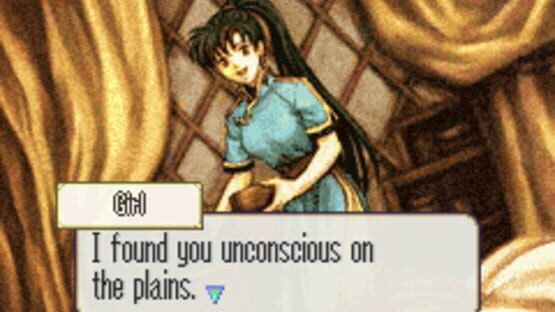
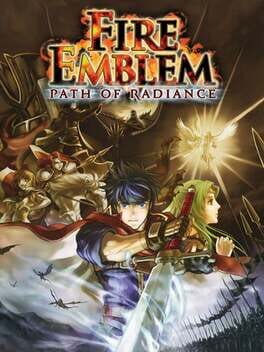
A tactical role-playing game with turn-based strategy elements, Fire Emblem takes place in a fantasy world where war and magic coexist. It is the seventh entry in the series and is notable for being the first Fire Emblem to reach the West, introducing Western players to this Japanese franchise. The story serves as a prequel to "Fire Emblem: The Binding Blade," set twenty years earlier, and includes a prologue designed specifically to teach the basics to players who have never played the series, which makes it especially accessible for newcomers.
The game plays out in a turn-based battle system where you command an army of unique characters on a grid-based board. Each unit has its own stats, class, skills, and weapons, and you can move them within their movement range to attack enemies, use items, or support one another. A typical session involves exploring the map, interacting with characters and NPCs, making strategic decisions, and taking part in tactical battles where you must defeat all enemies or complete specific objectives to move forward.

When you start, make the most of the prologue to get comfortable with the basic controls and combat mechanics. Take time to see how the different weapon types work and what advantages they have over one another, since this matters a lot in battle. Also pay attention to the relationships between characters, as these can unlock special conversations and battle bonuses. During the first hour, try not to focus only on defeating enemies, but on understanding how your units work together on the battlefield.
To progress, you need to understand key systems like the weapon triangle (where swords beat axes, axes beat lances, and lances beat swords), the experience system that lets your units level up, and the importance of keeping your main characters alive. It is also essential to manage your resources, especially money and healing items, since they are not unlimited. Your units' classes determine their skills and equipment, and some can change class under certain conditions.

Common beginner mistakes include ignoring the weapon triangle, not spreading experience well and leaving some units far behind, and not paying attention to defense and resistance stats when equipping armor. It is also common to underestimate how important it is to keep allied characters alive, since in Fire Emblem, when a character falls in battle, they stay permanently dead for that playthrough.
To get ahead, try keeping your units grouped so they can support each other in combat, but don't crowd them too much or you'll make it easy for enemies to launch mass attacks. Use terrain to your advantage, such as elevations that grant defense bonuses, and prioritize taking out dangerous enemies first. It is also helpful to experiment with different character and class combinations to find a balance that suits your playstyle.

Players who enjoy deep strategy, tactical planning, and character development will find a natural home in Fire Emblem. If you like turn-based games where every decision matters, stories with memorable characters, and the satisfaction of overcoming challenges through strategy rather than fast action, this series will likely win you over. It is especially recommended for those looking for a tactical RPG with an accessible learning curve but enough depth to keep experienced players interested.
Fire Emblem came out on 25 de abril de 2003. Platforms, genres and ratings are on the Fire Emblem game page.
Related games


Last updated: 10 de noviembre de 2026.
Powered by PairProgramming · custom software development, AI and automation.