


Guide
How to play Hatsune Miku: Project DIVA Future Tone
Where to buy


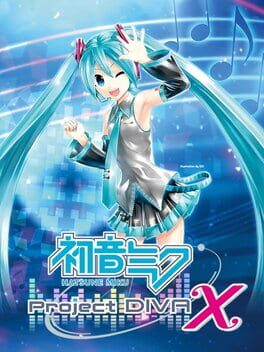
Based on the famous Japanese Vocaloid Hatsune Miku and other characters from the same universe, Hatsune Miku: Project DIVA Future Tone is a music rhythm game. It presents a vibrant Japanese pop world full of iconic songs, colorful visuals and dynamic choreography. What sets Future Tone apart is its focus purely on gameplay, dropping the story and simulation elements found in other entries in the series to concentrate on a pure, visually striking rhythm experience.
How it plays is pretty straightforward: songs come with notes, and you have to press the matching buttons at the right moment to earn points. A typical session means picking a song from a large catalog, choosing a difficulty that fits your level, and following the beat while the screen fills with visual effects and animations synced to the music. The core mechanics include pressing buttons at the precise moment, holding them down during certain segments, and sometimes sliding the analog stick to follow specific paths on the screen.

When you start out, the best move is to explore Tutorial mode to get familiar with the basic controls and the different types of notes. Then begin with easy songs in Arcade mode to build confidence and rhythm. Take some time to adjust the display settings and the controls to your liking, since a good setup can make a big difference in your early experience. During the first hour, focus on understanding the scoring system and how combos build up, without worrying too much about hitting high scores.
To progress in Hatsune Miku: Project DIVA Future Tone, it is crucial to understand the scoring system and the difficulty levels. The game rewards accurate note timing, long combos and perfect hits. That is why it is important to play regularly and try out different modes.

Common beginner mistakes include trying very hard songs right from the start, which usually leads to frustration. Another mistake is ignoring the on-screen note settings, which can cause confusion during runs. It is also common to underestimate the importance of the audio settings and the input timing calibration, which directly affect note accuracy.
Concrete tips for moving forward include practicing regularly with intermediate songs before jumping to the harder ones, paying attention to the note patterns instead of just following the visual effects, and using Practice mode to master specific sections of songs. Also, experimenting with different control settings can help you find the method that best fits your playstyle.

Hatsune Miku: Project DIVA Future Tone suits players who enjoy rhythm games, especially those with an affinity for Japanese pop culture and Vocaloid music. If you like precision-based challenges, vibrant choreography and a large song library, this game can give you hours of entertainment. It is also a great pick for fans of the franchise who want the most polished and complete rhythm experience without story distractions.
Hatsune Miku: Project DIVA Future Tone came out on 10 de enero de 2017. Platforms, genres and ratings are on the Hatsune Miku: Project DIVA Future Tone game page.
Related games



Last updated: 24 de noviembre de 2026.
Powered by PairProgramming · custom software development, AI and automation.