


Guide
How to play Jurassic Park: Operation Genesis
Where to buy


A simulation and strategy game where you take the role of a theme park manager, with a twist: in Jurassic Park: Operation Genesis the goal is not to build conventional rides, but to create and run your own version of Jurassic Park. The setting is the modern era, where science has managed to bring dinosaurs back through DNA, and your job is to build a park that is safe and entertaining for visitors. What sets it apart is its mix of economic management, infrastructure building and handling prehistoric creatures, something uncommon in simulation games of the time.
The game plays in a style similar to classics like SimCity or Zoo Tycoon, where you have to plan every aspect of the park. A typical session starts with an empty plot of land where you will place paths, rides, service buildings and, of course, enclosures for the dinosaurs. The core mechanics revolve around balancing your budget, keeping visitors happy and guaranteeing the safety of the park. As the park earns stars for its quality and popularity, it will draw more people, which in turn brings in more income but also greater demands.

When you start, the first thing to do is get familiar with the basic controls and the building system. During the first hour, it is a good idea to focus on creating a basic structure: paths that connect the entrance to the first attractions, such as small enclosures for herbivorous dinosaurs, which are easier to manage. It is also important to build essential buildings like restrooms and food stands to keep visitors satisfied. Don't try to expand too fast; start with a modest park and let it grow organically.
One of the key systems to understand is dinosaur management. Each species has specific needs in terms of space, vegetation, water and security. Carnivores also call for more precautions, since they can escape or attack other dinosaurs if their enclosures are not secure. Another important system is the park's reputation: if visitors complain or incidents happen, your rating will drop, hurting the flow of tourists. Keeping a balance between the excitement the dinosaurs generate and safety is essential to make progress.
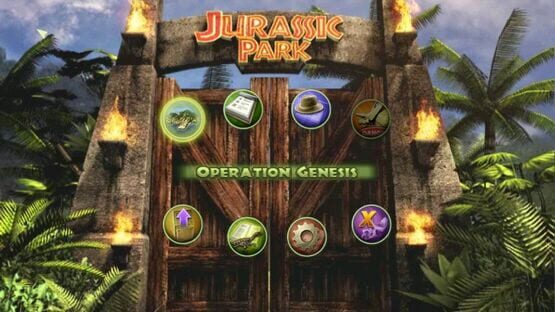
A common beginner mistake is underestimating maintenance costs. Many players focus on building the biggest park possible from the start, without considering that every structure and dinosaur has a constant upkeep cost. This can lead to a quick financial crisis. Another frequent mistake is not paying attention to the dinosaurs' needs, which can result in their death or in escapes that cause chaos. To avoid this, always check the happiness and health indicators of your creatures.
To move ahead faster, one concrete tip is to prioritize research. As you research new technologies and species, you will unlock more impressive dinosaurs and more advanced attractions, which will boost your park's popularity. It also helps to diversify your attractions: not just dinosaurs, but also exhibits, shops and rest areas to keep visitors entertained and happy. Another effective strategy is to keep an emergency fund for the unexpected, such as escapes or natural disasters, which can happen without warning.
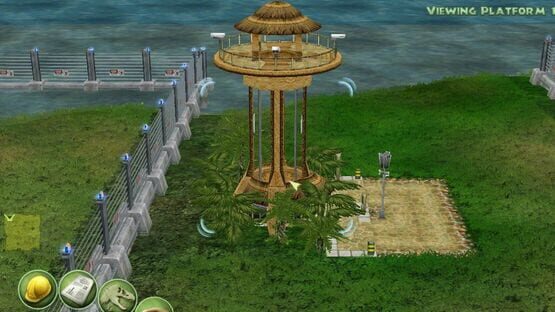
Jurassic Park: Operation Genesis suits players who enjoy simulation and strategy games, especially those drawn to the idea of building and running a theme park with a touch of science fiction. It also appeals to fans of the Jurassic Park franchise who want to step into a world where they can create their own version of the iconic park. However, those looking for fast action or more dynamic gameplay may find the pace of the game too slow for their taste.
Jurassic Park: Operation Genesis came out on 10 de marzo de 2003. Platforms, genres and ratings are on the Jurassic Park: Operation Genesis game page.
Related games




Last updated: 24 de noviembre de 2026.
Powered by PairProgramming · custom software development, AI and automation.