


Guide
How to play Lovers in a Dangerous Spacetime
Where to buy


PC requirements
Can your PC run Lovers in a Dangerous Spacetime?
- Minimum RAM:
- 2 GB
- Minimum graphics:
- 256 MB VRAM
- Minimum storage:
- 900 MB
A co-op game that puts players inside a bright, colorful spaceship whose goal is to rescue creatures and defeat hostile forces: that is Lovers in a Dangerous Spacetime. What sets it apart from other shooters is that the ship is an interactive environment in its own right: each player controls a single character and must move between the ship's stations, which handle the weapons, the engine, the shield, the Yamato Cannon and the map, turning every match into an exercise in communication and teamwork.
The play style combines shooting action with spaceship management mechanics. Each run unfolds across a series of levels that introduce enemies and objectives you have to overcome before moving on. You can play solo, joined by an AI-controlled pet, but the design is meant for two to four people to share responsibility for the different stations. While some pilot the ship, others shoot at enemies or activate the shields. In a typical match, you need to spread out among the stations quickly to keep the ship running, protect it from damage and meet the level's goal, which is rescuing captured creatures. Once you rescue five, a heart-shaped portal opens to the next level.
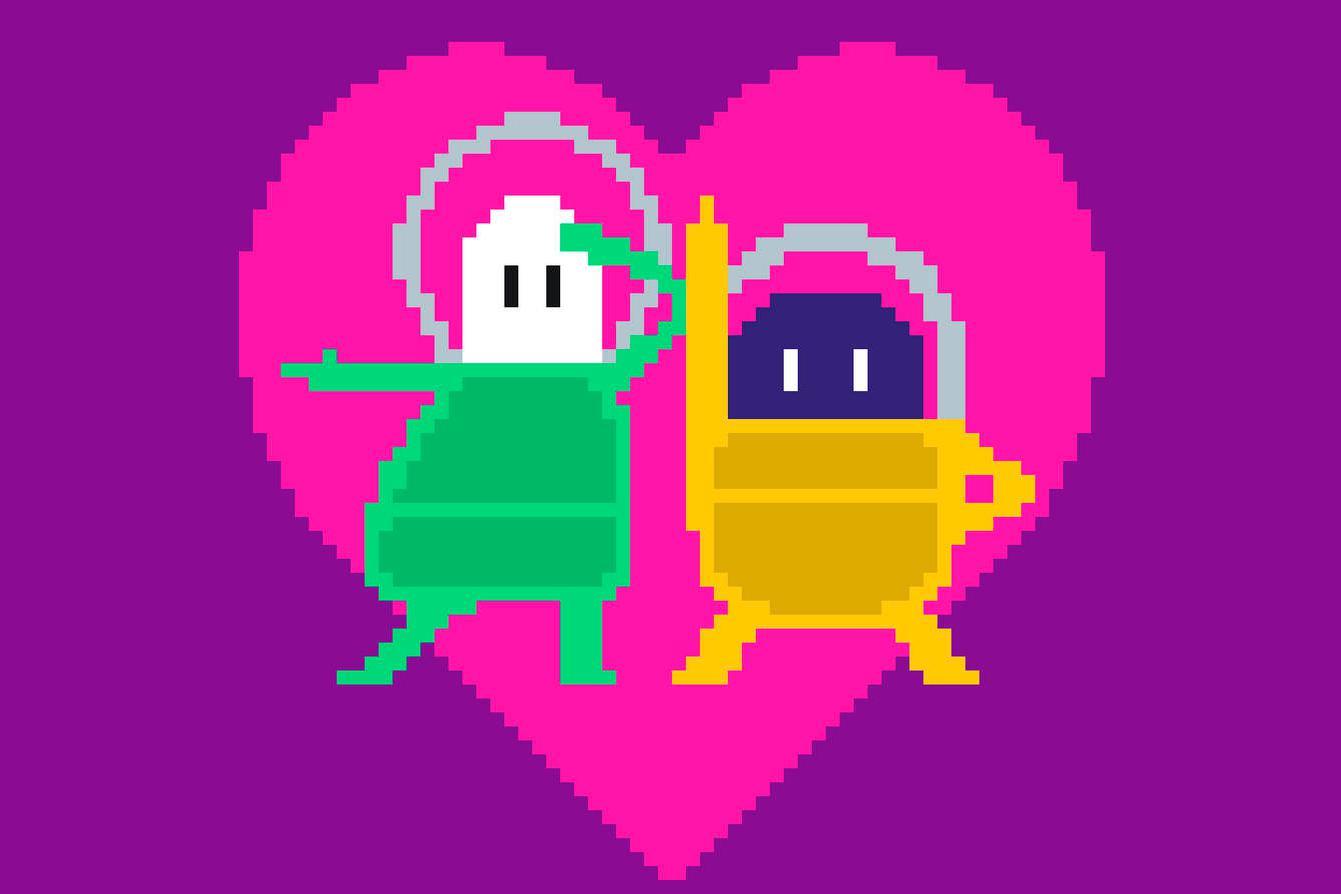
When you start a game for the first time, the most important thing is to get familiar with the layout of the stations and how to move from one to another. Ideally, each player takes a different position and briefly tries every function: moving the ship, shooting and activating the shields. During the first hour it helps to practice rotating roles, since most challenges require team members to switch places often. If you play locally, take advantage of sitting close together and talk out loud, which makes coordination easier.
The key systems you need to understand to progress are role distribution, the rescue mechanic and gems. Along the way you can find gift boxes containing gems, and you place these in the stations to give them new and improved powers. Rescued creatures also upgrade the ship: they let you place two gems per station or unlock new ship layouts. You can rescue up to ten creatures in each level, so timing between attack and support is essential.

The most common beginner mistakes include not rotating positions and not communicating enough. When everyone focuses on a single task, the ship loses mobility or defense, which makes it easier for enemies to destroy it. Another typical mistake is staying too long at one station, which creates bottlenecks and makes it harder to respond to unexpected threats. Also, without verbal or gesture cues, two players may try to use the same station at once. To avoid this, set up a routine of switching positions every few seconds and agree on keywords to signal when you need a shield, shooting or movement.
Among the most useful tips for a smoother run are these: always keep someone on the shields; practice rotating roles on easy levels before facing tougher challenges; look for gift boxes to equip gems in the stations; and rescue creatures in every level to upgrade the ship. It also pays to learn to predict enemy movement patterns, which lets you put the ship in the best positions.

Lovers in a Dangerous Spacetime is made for players who enjoy co-op experiences, coordination and challenges that combine speed and strategy. Those who prefer solo action games may find the ship management mechanic less appealing, while fans of shooters with a touch of fantasy and indie titles with polished visuals will appreciate its art style and its focus on collaboration. It fits groups of friends, families or gaming partners looking for a fun, challenging game that demands constant communication and delivers a sense of shared accomplishment as you clear each level.
Lovers in a Dangerous Spacetime came out on 8 de septiembre de 2015. Platforms, genres and ratings are on the Lovers in a Dangerous Spacetime game page.
Related games


Last updated: 24 de noviembre de 2026.
Powered by PairProgramming · custom software development, AI and automation.