
Guide
How to play Mario Party
Released in 1998 for the Nintendo 64, Mario Party is a digital board game that combines the classic mechanics of a game board with a wide variety of minigames. The premise is simple: up to four players compete on an interactive board to collect more stars than their opponents. What sets Mario Party apart from other games of its time is the mix of board game strategy and the frantic action of the minigames, all set in the colorful world of Mario and his friends. The game has a festive, competitive atmosphere that suits multiplayer sessions perfectly.
Mario Party's gameplay combines moving around a board with playing minigames. In a typical match, players take turns rolling a die to move along the board, which has special spaces on it. At the end of each turn, everyone competes in a minigame, and the winners receive coins. You buy stars from Toad with coins, and on some boards Toad changes location after selling a star. The game includes 50 minigames of different types, played solo, 1 vs. 3, 2 vs. 2, or 4-player.
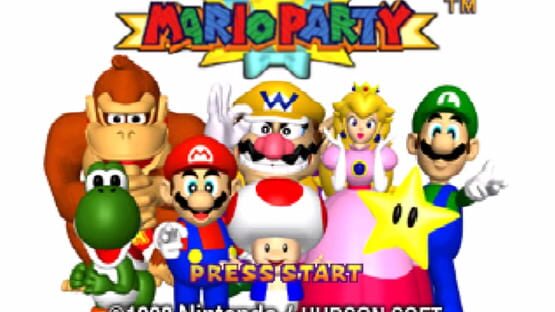
When you start, the first thing to do is get familiar with the basic controls and the general flow of the game. Take your first turn by rolling the die and watching how you move around the board. Pay attention to the different types of spaces and their effects. During the first hour, focus on understanding how the minigames work, since they are your main source of income. Play in every minigame, even if you don't win, so you learn how they work.
To make progress in Mario Party, you need to understand two key systems: the coin system and the star system. Coins come mainly from winning minigames, and they are the currency you use to buy stars. The star system is the main goal: you have to find Toad on the board and have enough coins to buy a star. It's also important to watch the special spaces on the board, since they can help or hurt you, for example by stealing your coins or sending you to different positions.

Common beginner mistakes include getting too fixated on winning stars from the start, when it's more important to build up coins first. Another common mistake is ignoring the effects of the board's special spaces, which can cost you significant advantages. It's also common to underestimate the importance of minigames, thinking they're just a diversion when they're actually crucial for stockpiling resources. Avoid these mistakes by watching what other players do and learning from their successes and errors.
To get ahead, keep in mind that strategy on the board is just as important as your performance in the minigames. In the minigames, practice to sharpen your skills, since winning consistently will give you a lasting economic advantage. Also keep track of where Toad is so you can anticipate where he will sell the next star. Don't get frustrated if you lose, because luck plays a big part, but skill and strategy can make the difference in the long run.
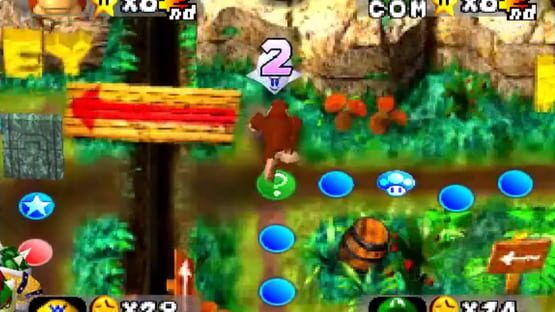
Mario Party appeals most to players who enjoy social games, especially in a group. If you want a competitive but friendly experience, you'll enjoy playing with family or friends. The game appeals to both casual players and those who enjoy strategy, thanks to its balance between luck and skill. If you like board games, varied minigames and the Mario atmosphere, Mario Party is a great pick for fun sessions full of laughs.
Mario Party came out on 18 de diciembre de 1998. Platforms, genres and ratings are on the Mario Party game page.
Related games


Last updated: 24 de noviembre de 2026.
Powered by PairProgramming · custom software development, AI and automation.