
Guide
How to play Master of Orion II: Battle at Antares
Where to buy


PC requirements
Can your PC run Master of Orion II: Battle at Antares?
- Minimum RAM:
- 256 MB
- Minimum graphics:
- 3D graphics card compatible with DirectX 7
- Minimum storage:
- 161 MB
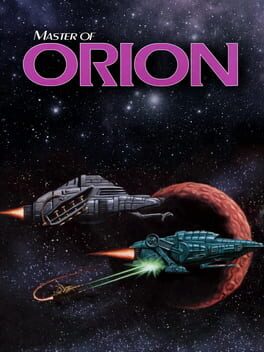
Since its release in 1996, Master of Orion II: Battle at Antares has earned cult status as a legendary turn-based strategy game set in space. Often counted among the classics of the 4X genre (explore, expand, exploit, and exterminate), it puts you in command of a spacefaring civilization competing with other races for control of the galaxy. What sets this game apart is its deep management mechanics, its balance between combat and diplomacy, and its detailed species customization, which lets you build a unique strategy for every game.
The game runs in turns, and each turn represents a span of time in which you can give orders to your empire: colonizing new planets, researching technologies, building fleets, managing resources, and negotiating with other civilizations. A typical session means keeping an eye on several planets under your control, deciding how to develop them, assigning specific research, and planning fleet movements. The core mechanics revolve around managing resources such as minerals, food, and production, along with a branching tech tree that unlocks improved ships, planetary defenses, and special abilities.

When you start, the first thing to do is set up your species by choosing traits that affect your starting abilities, from lifespan to research capacity. During the first hour, prioritize colonizing nearby planets with good climate conditions, set up mining and production bases on your first worlds, and assign research to key technologies such as colony upgrades and basic engine speed. Don't overcommit to a single direction. Aim for a balance between expansion, early development, and defense.
To get ahead, you need to understand four key systems: technology research, which unlocks new capabilities; customizable ship design with different components; diplomacy for alliances and trade treaties; and planet management, which includes population assignment and building construction. Each of these systems is interconnected and requires strategic attention so you don't fall behind.

Common beginner mistakes include expanding too fast without a solid economic base, ignoring planetary defenses while focusing on expansion, and underestimating the importance of naval research. Poor diplomacy is also a frequent problem, since badly managed relations can lead to early wars against stronger enemies.
To play better, always prioritize research that improves your economic efficiency and colonization capabilities. Keep a small defensive fleet in each key system and build diplomatic relations from the start. Don't ignore random events, which can offer unique benefits or challenges. Patience is essential, because this game rewards long-term planning more than quick decisions.

Master of Orion II appeals to players who enjoy deep strategy, detailed resource management, and decisions with long-term consequences. If you like games where every turn counts, where you can tailor your approach, and where strategy beats fast action, this classic will keep you hooked for hundreds of hours.
Master of Orion II: Battle at Antares came out on 22 de noviembre de 1996. Platforms, genres and ratings are on the Master of Orion II: Battle at Antares game page.
Related games



Last updated: 10 de noviembre de 2026.
Powered by PairProgramming · custom software development, AI and automation.