
Guide
How to play Minecraft: Story Mode
Where to buy


PC requirements
Can your PC run Minecraft: Story Mode?
- Minimum RAM:
- 3 GB
- Minimum graphics:
- ATI
- Minimum storage:
- 3 GB
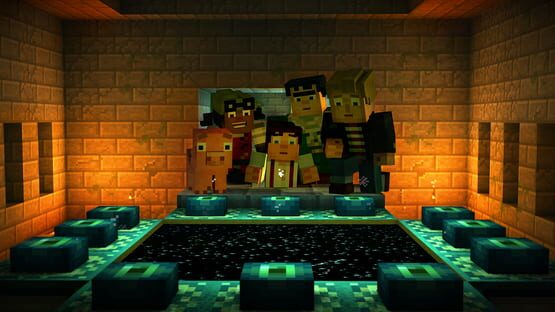
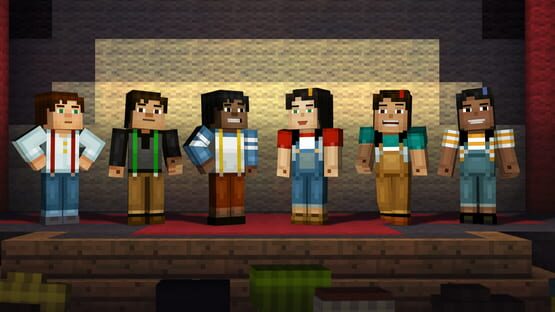
Based on the Minecraft world, Minecraft: Story Mode, a graphic adventure, takes a completely different narrative approach from the original game. Developed by Telltale Games, this five-episode series tells an original story with new characters in a universe inspired by the blocky world you already know. Unlike the open-ended sandbox of traditional Minecraft, you'll find a linear experience where your decisions shape the story and your relationships with other characters. The game keeps Minecraft's signature block-based visual style but pairs it with cinematic storytelling and dialogue that guides your experience.
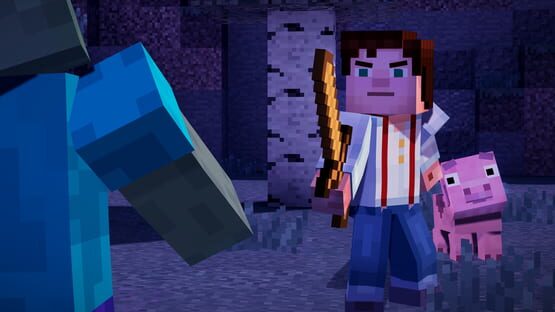
The game plays as a point-and-click adventure where you explore scenes, interact with objects and people, and make choices that affect how the story unfolds. A typical session involves exploring environments, solving simple puzzles by interacting with the surroundings, and taking part in action sequences with quick time events. The core mechanic is decision-making, with dialogue options that can change your relationships with other characters and trigger different events. There are action moments, but the focus is on the story and the consequences of your choices.
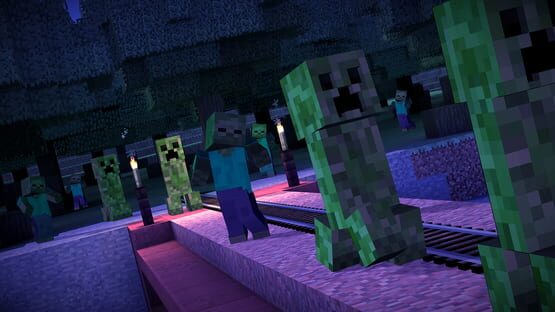
When you start Minecraft: Story Mode, you'll face an introduction that presents the main characters and the opening plot. During the first hour, pay close attention to the characters' names and the dynamics between them, since these relationships will develop throughout the adventure. Examine each scene carefully, because interactive objects can matter for solving puzzles later on. The first choices you make set the tone of your relationship with the group, which can influence how later events play out.
To progress in Minecraft: Story Mode, keep in mind that your decisions carry real weight in the story. The memory system lets your earlier choices affect future episodes, creating a personalized experience. It also pays to watch the visual clues and listen to dialogue, since they often contain information you need to solve puzzles. The game uses emotional indicators that show how your decisions affect the way other characters see you.
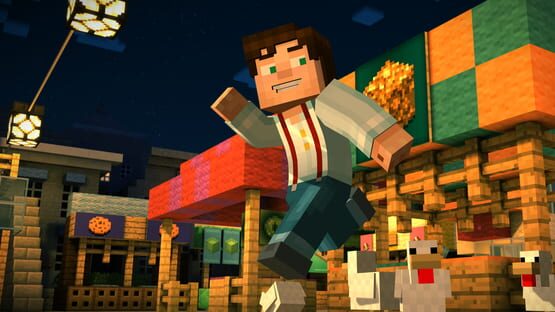
A common mistake new players make is thinking all decisions have the same impact, when in fact some matter much more than others. Another mistake is overlooking interactive elements in scenes that look static, since they often hold objects you need to move forward. Quick time events in action moments can also be frustrating, but you can replay them until you pass, so don't worry if you fail several times.
To get ahead more smoothly, remember that the game lets you save at multiple points. If a choice doesn't sit right with you, you can load an earlier save and try another option. Pay special attention to the visual clues in the backgrounds of scenes, since Telltale Games often hides important objects there. It's also worth exploring each area thoroughly before moving on, because optional dialogue can provide valuable information.
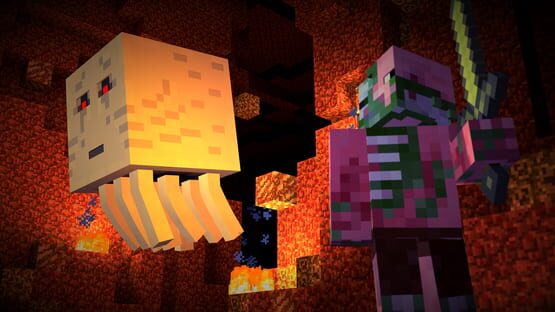
Fans of Minecraft who want a narrative experience, along with players who enjoy adventure games like Telltale Games' titles, make up the core audience for Minecraft: Story Mode. If you enjoy branching stories, characters who grow over time, and decisions that matter, you'll likely enjoy this game. It's also accessible to people who don't know much about Minecraft, since you don't need any knowledge of the original game to enjoy its story. Players who want a more structured, story-driven experience than the traditional sandbox will find a place here too.
Minecraft: Story Mode came out on 13 de octubre de 2015. Platforms, genres and ratings are on the Minecraft: Story Mode game page.
Related games
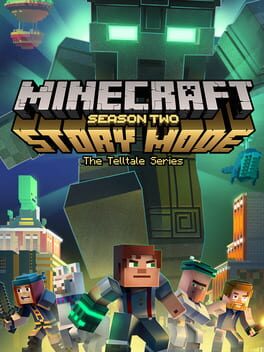


Last updated: 10 de noviembre de 2026.
Powered by PairProgramming · custom software development, AI and automation.