

Guide
How to play Paper Mario: The Thousand-Year Door
Set in a paper version of the Mushroom Kingdom, Paper Mario: The Thousand-Year Door is an RPG where Mario has to uncover the mystery behind the legendary Thousand-Year Door. Unlike other Mario games, this one has a distinct look, with characters and environments that seem cut out of paper, and that carries over into the gameplay mechanics too. The story blends humor, mystery and traditional elements of the series, with a deeper narrative focus and memorable supporting characters.
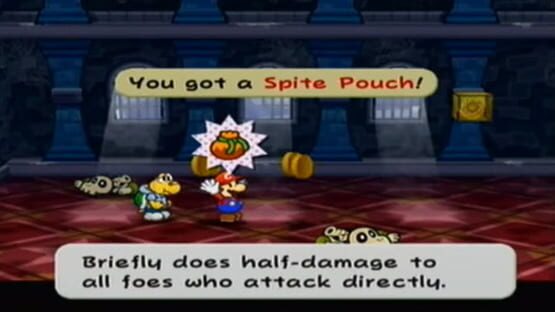
The game combines exploration in 2D environments with a turn-based combat system that emphasizes action and strategy. In a typical session, you'll explore different locations such as floating cities and themed towns, solving puzzles, talking to characters and fighting enemies. In battle, you can use basic attacks, special abilities and items, while Mario's paper body gives him unique abilities like flattening himself to slip through narrow gaps. You'll also have partners, each with their own abilities that help in combat or in exploration.

When you start, get comfortable with the basic controls and the combat mechanics. Explore the starting area to learn how to interact with the environment, and talk to every available character to pick up information and quests. Your first big task is to recover the seven Crystal Stars, so focus on following the main story while you collect items and experience. During the first hour, don't skip the tutorials built into the level design, since they teach you fundamental skills like using Mario's paper moves.
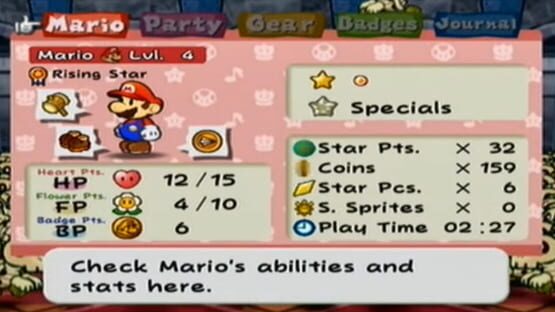
To make progress, it's crucial to understand the turn-based battle system, which lets you perform timed actions (with a limited window) to boost the damage of your attacks. You'll also need to manage your inventory wisely, using healing items at the right moment and equipping the upgrades you find. Talking to characters is key, since many puzzles and story advances depend on specific conversations. The Crystal Stars are also central items that you must recover in order, each one unlocking new areas and abilities.

Beginners often make the mistake of ignoring side quests, which offer valuable rewards and extra context about the world. Another common mistake is not exploring each area thoroughly, since the paper elements hide secrets and hidden items. It's also important not to underestimate enemies, since some bosses require specific strategies and proper preparation. Finally, don't neglect your partners, since each one has specific moments where they're useful, both in combat and in exploration.
To get ahead faster, make use of Mario's unique abilities tied to his paper nature, since you often need them to progress. Take notes or remember the characters' names, since some important clues are given through dialogue. Practice timed attacks in combat to maximize your damage without spending Star Power. Also, don't be afraid to backtrack to earlier areas once you get new abilities, since that often reveals secret routes or collectibles that were previously out of reach.

This game is made for players who enjoy RPGs with a solid story, charismatic characters and tactical combat mechanics. If you like games with clever humor, creative puzzles and a combat system that demands active participation, Paper Mario: The Thousand-Year Door will be a rewarding game to play. It also suits anyone who appreciates stylized graphics and the gradual exploration of detailed worlds, whether you're a Mario fan or just looking for a classic RPG with a different twist.
Paper Mario: The Thousand-Year Door came out on 22 de julio de 2004. Platforms, genres and ratings are on the Paper Mario: The Thousand-Year Door game page.
Related games




Last updated: 24 de noviembre de 2026.
Powered by PairProgramming · custom software development, AI and automation.