
Guide
How to play Prologue: Go Wayback!
Where to buy


PC requirements
Can your PC run Prologue: Go Wayback!?
- Minimum RAM:
- 16 GB
- Minimum graphics:
- NVIDIA GTX 1070
- Minimum storage:
- 10 GB
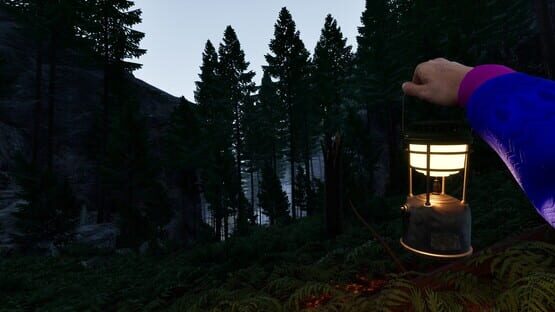
Survival in an open world that regenerates with every new game is the core of this project from PLAYERUNKNOWN Productions, the studio that also publishes the title. There is no fixed story to follow and no map to memorize: the wilderness around you changes from one run to the next, so no route ever repeats exactly. The studio's stated goal is for each player to carve their own path through a hostile wilderness, facing the weather and the terrain as part of an exploration story built from your own decisions. That mix of a procedural world and a solo experience puts it closer to a survival simulator than to a traditional narrative adventure.
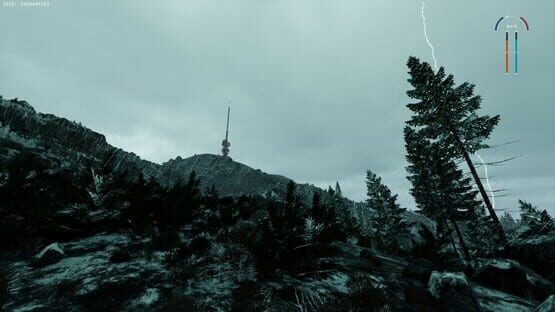
Reading the environment drives every session, since this is a single-player game: where to walk, which resources to prioritize, and when to stop and take shelter before conditions get worse. In survival games with procedural generation, it usually pays to advance in short stretches and assess the terrain before committing to cross it, because the landscape offers no shortcuts you know in advance. Moments of slow movement and observation alternate with tenser ones, when the weather or a shortage of resources force quick decisions. With no predefined script, every run plays out as a different story, written as you go.
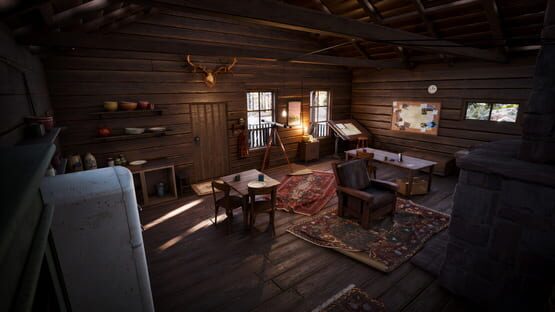
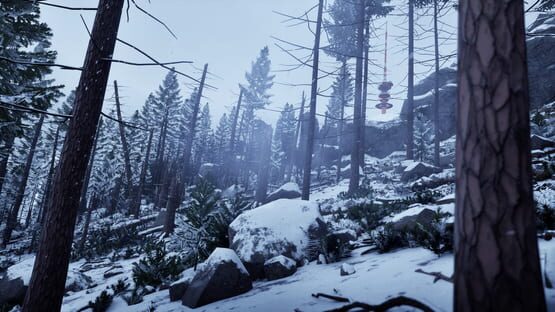
It's best to watch the weather and the generated landscape closely from the start, focusing on understanding the basic rules of the environment before trying to move fast: knowing which areas offer shelter and what kinds of obstacles show up most often helps you build your own judgment, since there is no optimal route you can memorize from one run to the next. Taking your time to experiment is a good idea, given that the game is designed so you discover each trek by walking it, not by reading an outside guide, and getting used to that pace early on avoids surprises later, when conditions get more demanding.
Generating a new environment in every run holds the whole project together, and it forces you to develop a general read of the terrain instead of memorizing specific locations. Progress here depends less on collecting particular items and more on learning to anticipate how the weather and the landscape behave, which change from one run to another but tend to follow patterns you can recognize with practice. Understanding that generation logic, rather than one specific area of the map, is what lets you move forward with more confidence in future runs. If you are looking for progression with fixed goals and a closed ending, you may find a different curve here, built on repeated runs and the improvement of your own judgment.
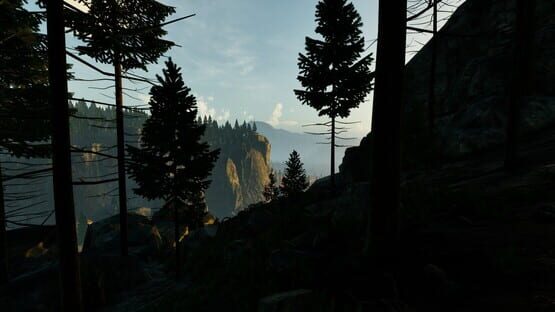
Players coming from other open-world games tend to underestimate the weight of the weather and the terrain, treating them as scenery instead of a real threat that shapes every decision. It is also common to move too fast in the first few minutes, pulled along by the curiosity of exploring a new landscape, without leaving room to turn back if conditions get rough. Another common stumble is expecting a guided narrative with explicit objectives, when the central idea is to build your own story from free choices about your route.
Treat each run as a lesson in itself, not as a failed attempt if it ends sooner than you expected. Paying attention to the signs in the environment before choosing a heading, instead of moving on instinct, usually pays off better in the medium term. It also helps to vary how you cross the landscape between runs, trying different routes to better understand how the world generation behaves. Saving your energy for the stretches where the weather turns harsher, instead of spending all of it on early exploration, is another way to extend your trek before being forced to start over.

This title is made for players who enjoy solo survival and exploration without a fixed map, more than for those looking for a story with characters and traditional quests. Currently available only for Windows PC, Prologue: Go Wayback! arrived in the catalog in June 2026 from PLAYERUNKNOWN Productions, which both develops and publishes it.
Prologue: Go Wayback! came out on 17 de junio de 2026. Platforms, genres and ratings are on the Prologue: Go Wayback! game page.
Related games



Last updated: 23 de noviembre de 2026.
Powered by PairProgramming · custom software development, AI and automation.