Guide
How to play Romestead
Where to buy


PC requirements
Can your PC run Romestead?
- Minimum RAM:
- 8 GB
- Minimum storage:
- 2 GB
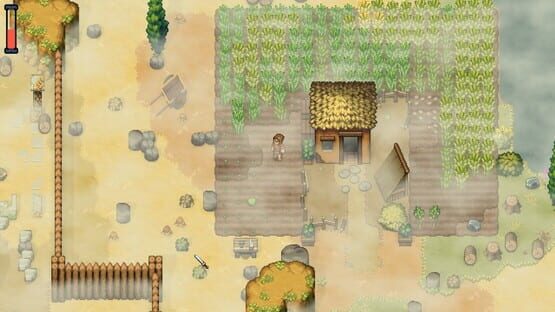
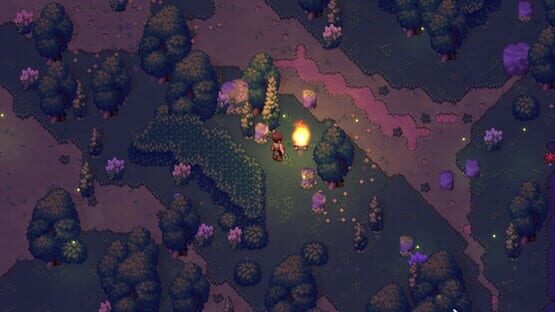
The fall of Rome, rather than its peak, is the starting point of this survival game built on an action RPG structure. Your task is to rebuild civilization from the ground up, combining combat, settlement building and the search for the favor of the Roman gods, though you can also set the conflict aside and simply farm the land. That dual path, between active rebuilding and a quiet farming life, is what gives flexibility to a game designed for groups of up to eight players.
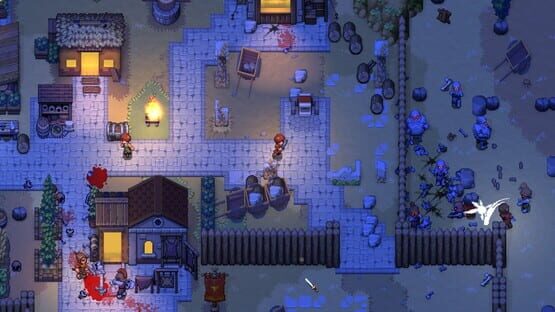
Combat against threats in the environment, gradual town building and crop management come together in sessions you can play solo or with a large group. The religious side works as an extra layer: earning the favor of the Roman gods grants advantages that complement both the survival side and the city-rebuilding side. Since the game is built for large groups, much of the pace depends on how the player community organizes itself, splitting tasks among those who prefer to fight, build or farm.
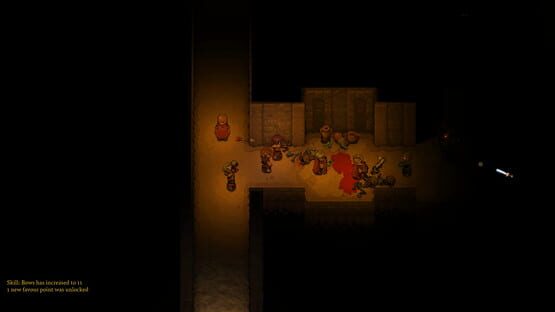
Before expanding your territory, the smartest move in the first few hours is to set up a simple base with a few crops, since in survival and rebuilding games food security is usually the first priority. Exploring the surroundings carefully helps you spot both available resources and nearby threats before you put effort into more ambitious construction. If you play in a group, it also pays to agree from the start on who handles each task, whether combat, building or farming, so you don't duplicate effort needlessly.
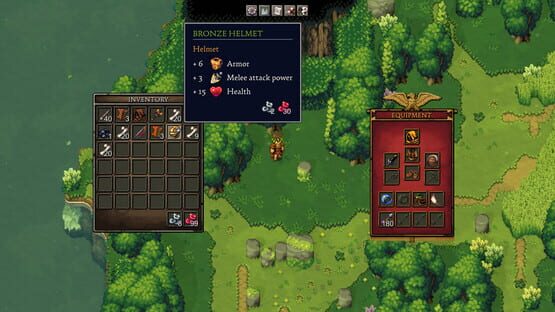
Combat, building and divine favor are connected in a single progression system: fighting and surviving gives you access to resources, those resources let you build and upgrade towns, and the favor of the Roman gods adds benefits that help with both the military and the construction side. Understanding that the farming path and the active rebuilding path are not mutually exclusive, and that you can combine them depending on the moment, is key to getting the most out of the game without being tied to a single way of playing. Cooperation among several players also multiplies how much you can sustain at the same time.
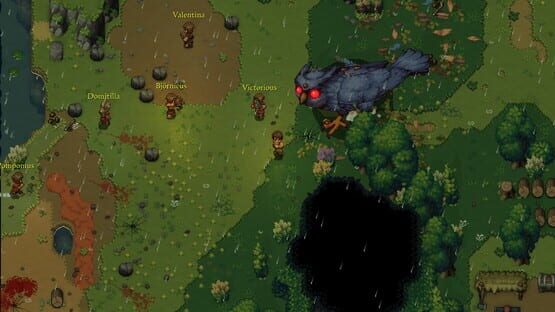
Trying to rebuild too fast without a solid resource base is a common mistake in survival games with building, because it usually leads to settlements that are vulnerable to any threat. Ignoring the religious system because you see it as secondary can also slow your progress, since the favor of the gods tends to provide advantages that offset the difficulties of survival mode. In group games, failing to coordinate roles among players is another frequent oversight, as a lack of organization tends to slow down both construction and the defense of your territory.
Prioritizing food production as soon as you establish a first settlement gives everything else, such as combat, building or religious worship, a stable base to rest on. Organizing the group by preference, letting each player lean toward combat, building or farming, usually works better than forcing everyone to repeat the same task. In cooperative survival games like this one, it also helps to explore the area in small groups instead of moving all together, so you cover more ground without neglecting the base.
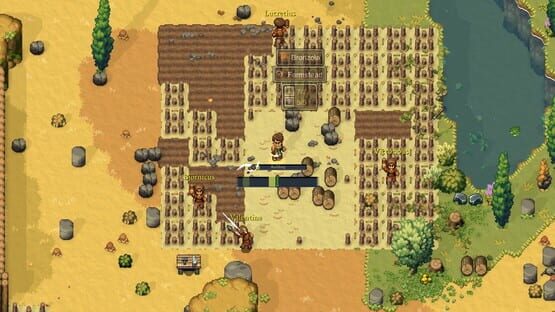
Players who want a survival challenge with constant fighting and those who prefer a slow pace devoted to farming both find a place in Romestead, thanks to that dual path between conflict and a quiet life. Beartwigs develops the game and Three Friends handles publishing, with availability on PC (Microsoft Windows) from May 2026.
Romestead came out on 26 de mayo de 2026. Platforms, genres and ratings are on the Romestead game page.
Related games



Last updated: 23 de noviembre de 2026.
Powered by PairProgramming · custom software development, AI and automation.