Guide
How to play The Uncertain: Last Quiet Day
Where to buy


PC requirements
Can your PC run The Uncertain: Last Quiet Day?
- Minimum RAM:
- 4 GB
- Minimum graphics:
- NVIDIA GTX 570
- Minimum storage:
- 8 GB
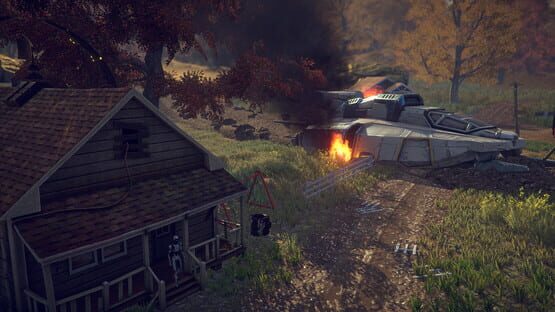
In a post-apocalyptic world where you control a robot named RT-217NP, an engineer curious about humanity, a species wiped out by destructive wars, The Uncertain: Last Quiet Day is a narrative adventure. What sets it apart is its perspective from a non-human character, exploring the ruins of a past civilization with a mysterious, reflective atmosphere about nature, existence and memory. The game blends science fiction with melancholic tones, inviting you to uncover the hidden truth behind the collapse of humanity through its mechanical eyes.
The game plays as a point-and-click graphic adventure, where you explore detailed scenes, pick up items, interact with the environment and solve puzzles to move the story forward. A typical session involves exploring different locations, studying every corner for clues or interactive elements, combining items in your inventory and solving riddles that call for logic and attention to detail. The core mechanic revolves around puzzle solving and narrative progression, where your choices can influence how the story unfolds, although the main focus is on exploration and discovery.
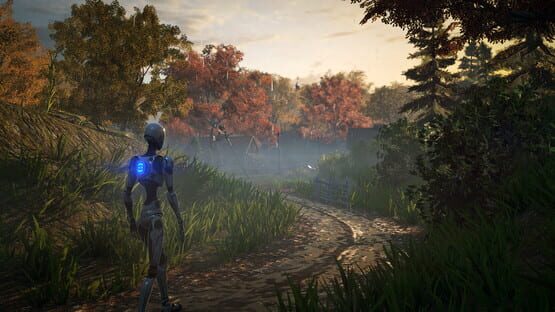
When you start, take your time to look over each scene carefully, since important clues can hide in seemingly insignificant details. Explore every available interaction point on each screen, because the key items you need to progress are often well camouflaged. During your first hour, get familiar with the basic controls and the inventory interface, which lets you manage the items you collect. Pay special attention to conversations and dialogue, since they hold crucial information for solving later puzzles.
To make progress, it is essential to understand that logic and observation are your best tools. The puzzle system is built on combining items and using them in the right place in the environment, so examine each element closely before discarding it. The story also advances as you discover new places and unlock fragments of the past, so methodical exploration is essential. Don't rush through cutscenes, since the visual details and the dialogue often contain vital clues.

Beginners often make the mistake of overlooking small interactive elements, thinking they don't matter, when they can actually be crucial for solving later puzzles. Another common mistake is getting frustrated by the more complex puzzles without first exploring all the options thoroughly; take a break if you get stuck and come back with fresh eyes. Some players also try to move ahead quickly without reading the dialogue, which makes them miss important information for understanding the plot and solving the riddles.
To get further, take notes, mental or on paper, of the important details you find in each scene, since clues can be scattered throughout the adventure. Experiment with every item in your inventory in different locations, even if they seem to have no obvious connection to the current setting. If you get stuck on a puzzle, try looking at things from another angle, since solutions often require thinking outside the box. Remember that the game rewards patience and observation more than haste.
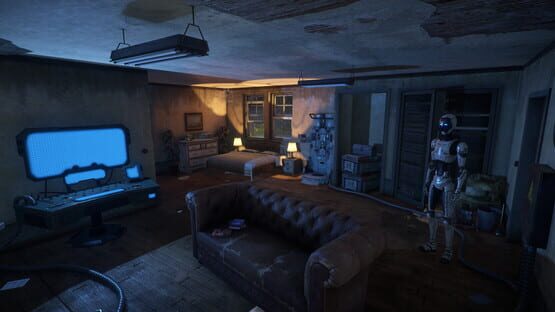
The Uncertain: Last Quiet Day is aimed mainly at fans of graphic adventures with a solid narrative, especially those who enjoy mysterious, reflective atmospheres. If you like point-and-click games with logic-based puzzles and meticulous exploration, and you don't mind a slow pace focused more on story than action, this title will appeal to you. It also draws players who appreciate unconventional perspectives and stories with thematic depth about humanity and existence.
The Uncertain: Last Quiet Day came out on 22 de septiembre de 2016. Platforms, genres and ratings are on the The Uncertain: Last Quiet Day game page.
Related games


Last updated: 22 de noviembre de 2026.
Powered by PairProgramming · custom software development, AI and automation.