Guide
How to play Tom Clancy's Splinter Cell: Chaos Theory
Where to buy


PC requirements
Can your PC run Tom Clancy's Splinter Cell: Chaos Theory?
- Minimum graphics:
- 64 MB DirectX 9.0c compliant graphics card
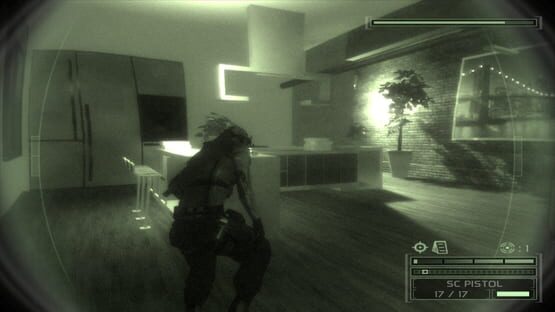
Tom Clancy's Splinter Cell: Chaos Theory puts you in control of Sam Fisher, an elite NSA agent who works in the shadows to protect national security. Set in the near future, where information is the most powerful weapon, the game takes you through infiltration and espionage missions in dangerous locations around the world. What sets this entry apart is its focus on tactical stealth, where violence is a last resort and the intel you gather can be as valuable as taking out enemies. The game has a dark, realistic atmosphere, with a story that involves international conflicts and cyber threats.
Chaos Theory plays as pure tactical stealth, where planning and quiet execution matter more than brute force. In a typical session, you'll move through dark environments, use shadows to hide, take out guards silently, and avoid direct confrontations. The core mechanics include night vision and thermal vision goggles to spot enemies, the ability to crouch and move along walls, and the option to interact with the environment to distract or silently eliminate enemies. The game also brings in sound stealth, where noise plays a crucial role in how you play.
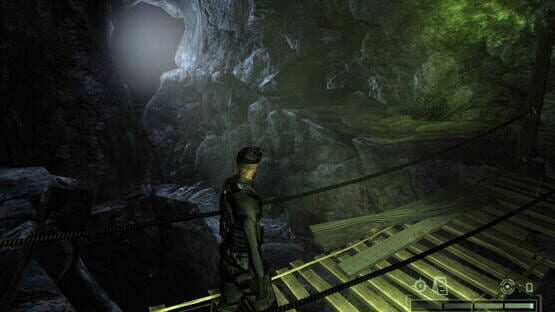
When you start Chaos Theory, the first thing to do is get comfortable with the controls and Sam Fisher's basic abilities. Spend some time practicing quiet movement, using the night vision and thermal vision, and stealth moves like the rear grab and the choke. During the first hour, focus on understanding the detection system: how enemies react to sounds, lights, and movement. Explore each area patiently and keep a mental note of the guards' patrol patterns.
To get ahead, you need to understand a few key systems. The first is the visibility and noise you make, and keeping both low is essential to avoid being detected. Another important system is side objectives and collectibles, which often provide useful information or upgrades. Melee combat needs to be handled carefully, since it can alert several enemies. Finally, tools like the tranquilizer dart and the noisemaker can be crucial for distracting or neutralizing threats without alerting the rest of the facility.
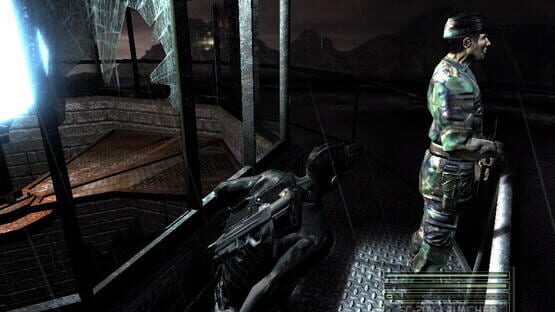
A common mistake among beginners is facing enemies head on instead of looking for quiet routes. Another is moving too fast, which increases the chance of making noise and being spotted. Many players also underestimate how important it is to hide the bodies of enemies you take out, since other patrols can discover the intrusion. To avoid these mistakes, take your time watching enemy patterns and plan your moves ahead of time.
To get better, use the frequent save points to store your progress and try different strategies. Keep an eye on the sound meter and the light meter at the bottom of the screen so you can adjust how you move. Use the environment to your advantage: shadows, ambient noise, and height can all give you an edge. Remember that it's sometimes better to wait for an enemy to move away than to risk being detected. Patience is your biggest ally in this game.
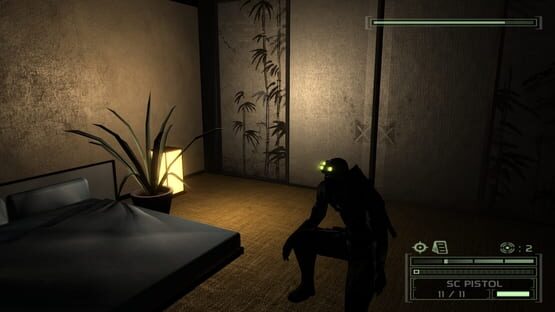
Chaos Theory is aimed at players who enjoy tactical games where strategy and stealth matter more than direct action. If you like games where every move counts and where planning ahead pays off, you'll love this title. It also suits those who appreciate espionage stories with complex plots and realistic atmospheres. However, it can be frustrating for players who prefer a faster pace or constant action, since it requires patience and attention to detail.
Tom Clancy's Splinter Cell: Chaos Theory came out on 28 de marzo de 2005. Platforms, genres and ratings are on the Tom Clancy's Splinter Cell: Chaos Theory game page.
Related games
Last updated: 7 de noviembre de 2026.
Powered by PairProgramming · custom software development, AI and automation.