Guide
How to play Town to City
Where to buy


PC requirements
Can your PC run Town to City?
- Minimum RAM:
- 8 GB
- Minimum graphics:
- Nvidia GeForce GTX 960
- Minimum storage:
- 3 GB
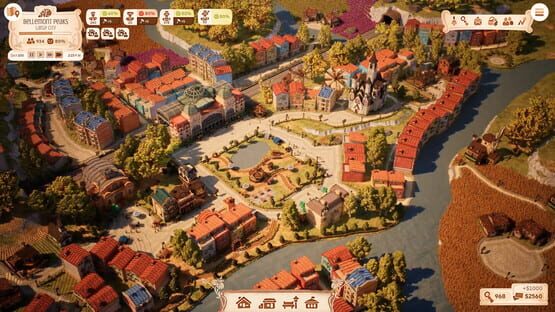
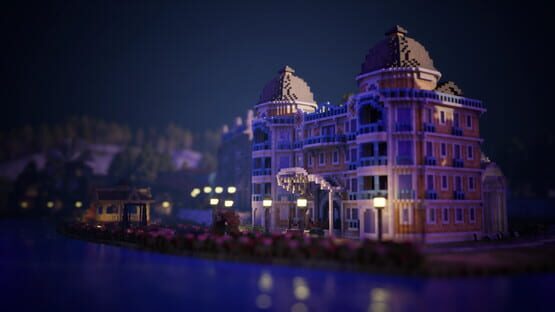
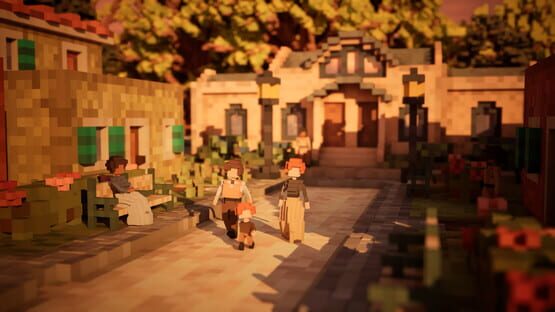
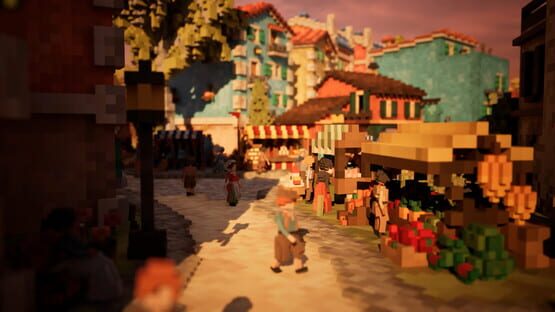
Rebuilding a Mediterranean coastal town in the 19th century and watching it grow into a thriving city is the core idea of this city builder developed by Galaxy Grove, the same studio behind Station to Station, and published by Kwalee. The setting brings to mind cobblestone streets, light stone houses and squares by the sea, with a calm look meant for relaxed sessions rather than the pressure of other city builders. What sets it apart from other games in the genre is the freedom to place and customize every element of the environment: it is not just about fitting buildings into a grid, but about shaping the look of every corner so the town has a personality of its own as it grows.
A typical session alternates planning tasks with the day-to-day management of the settlement: laying out streets, putting up homes and shops, and checking that residents have access to what they need to settle in. As in most construction sims, you set the pace: you can pause to think through the layout at your leisure or let time run to see how the population reacts to your changes. That back and forth between editing the map and watching its effects is the heart of the game, and it's worth understanding from the start because it shapes the whole playthrough.
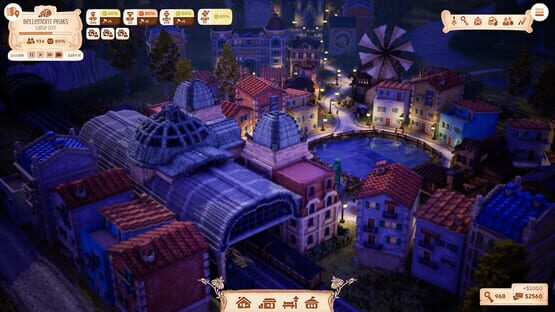
Starting with a small, well-connected core, instead of spreading buildings across the whole map from the beginning, pays off more in your first games in this Mediterranean town. Exploring the placement and customization tools before committing to a final layout helps you see what options the game offers for adapting each building to the available terrain. Spending the first hour trying out different combinations of buildings, without fear of redoing the design, is more productive than trying to plan a whole city right away.
For the town to thrive, you need to understand how population growth relates to the availability of housing, shops and public spaces, a balance common in urban management sims. Each new building tends to create additional needs, so anticipating that demand before it becomes a problem is key to keeping up the pace of expansion. Paying attention to how the different sectors of the town connect, and not just to the number of structures built, usually makes the difference between an orderly city and an improvised one.
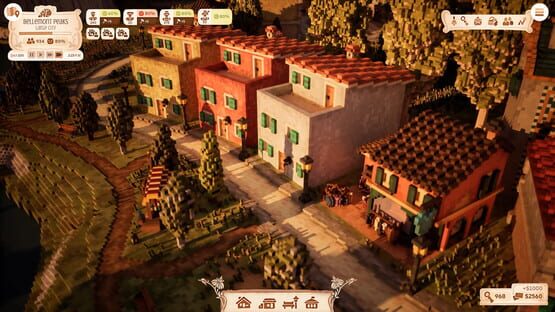
Expanding too fast, putting up scattered buildings before consolidating what already exists, is the most common temptation at the start, and it ends up leaving gaps that are hard to use later on. Another frequent stumble is neglecting the look of the whole town to rush growth, when part of the game's appeal lies precisely in taking care of the appearance of every street and every square. Ignoring the available customization tools, simply because you don't know about them, also leaves you with towns that look more generic than the game allows.
It's a good idea to check the overall state of the town often instead of focusing only on the area you're editing at that moment, because connection or space problems tend to show up in areas far from where you're working. Saving variants of your design before making big changes lets you go back if you don't like the result, which is especially useful given the game's emphasis on free customization. Taking the time to watch how the population moves through the streets also helps you spot which areas need more attention.
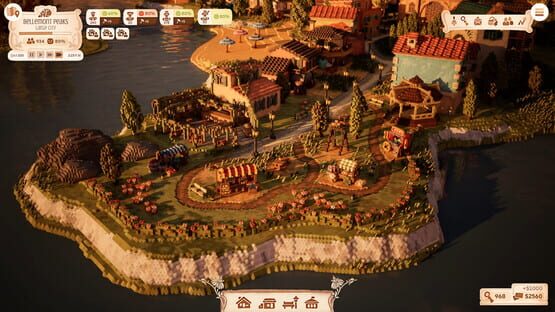
If you enjoy slow-paced management, with no combat and no constant pressure, you'll find in Town to City a comfortable rhythm for long, unhurried sessions. It is available exclusively for Windows PC since May 2026, which for now leaves it out of reach of consoles. For fans of city builders with an aesthetic focus, the combination of creative freedom and Mediterranean setting makes this game a distinctive option within the genre.
Town to City came out on 26 de mayo de 2026. Platforms, genres and ratings are on the Town to City game page.
Related games





Last updated: 23 de noviembre de 2026.
Powered by PairProgramming · custom software development, AI and automation.