Guide
How to play Wanderburg
Where to buy


PC requirements
Can your PC run Wanderburg?
- Minimum RAM:
- 4 GB
- Minimum graphics:
- Nvidia Geforce GTX 1660 ti
- Minimum storage:
- 2 GB
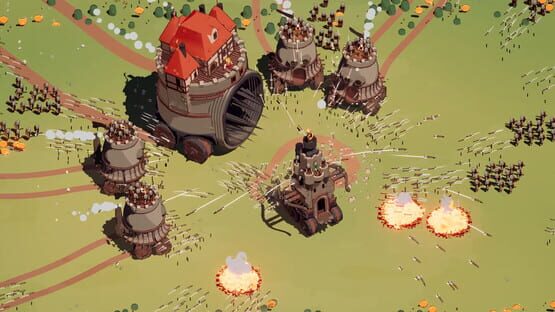
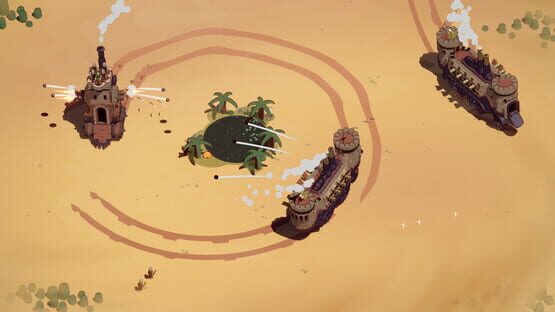
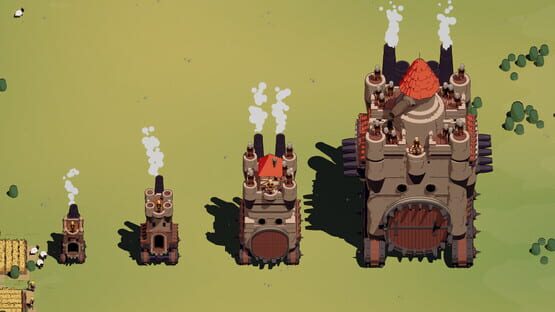
A castle on wheels that flattens entire villages is not the most common image in the medieval genre, and that is exactly where Wanderburg starts. The game is a minimalist roguelike about wandering fortresses, where the goal is to drive the Castle on Wheels into battle, devour whole villages, and build a modular arsenal of siege weapons and arcane machinery. What sets it apart is the mix of war vehicle and mobile base, something uncommon even within the roguelike genre itself. The minimalist look reinforces the idea of a fortress that never stops moving, always hunting for the next village or the next fight.
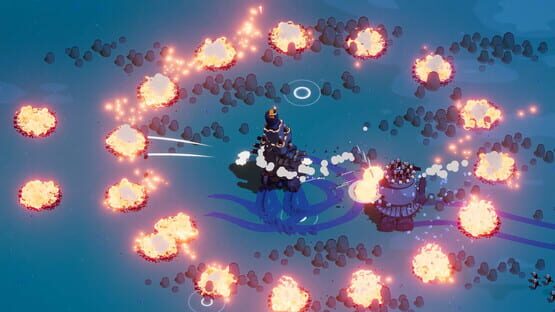
The pieces of the modular arsenal pile up fight after fight, as the castle rolls forward and tears down rival fortresses. The game combines siege weapons with arcane machinery, and that combination defines the combat style throughout a run. As is usual in roguelikes, every village or fortress you conquer brings growth, so a typical session alternates stretches of direct combat with decisions about which pieces to add to the castle before moving on.
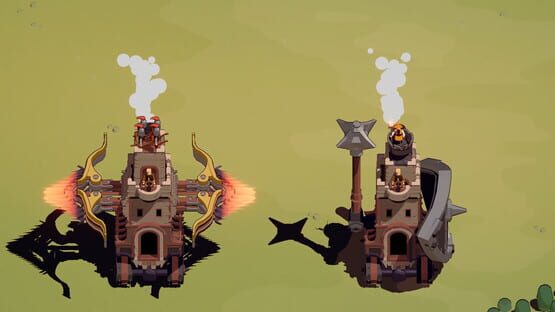
It's best to drive the Castle on Wheels against simpler villages or fortresses first, so you can see how the early pieces of the modular arsenal behave, both the siege weapons and the arcane machinery, before facing rivals that demand a more carefully planned mix of the two. Getting comfortable with that handling before going after the toughest targets is good advice in most roguelikes, where trial and error is part of learning.
Every village devoured or fortress destroyed adds new pieces of siege weaponry or arcane machinery to the modular arsenal, and the way you combine them determines how ready the castle is for the next fight. On top of that comes the roguelike structure, where growth is built fortress by fortress within each run. Understanding which combination of pieces works best against different types of rivals is the foundation for getting further each time.
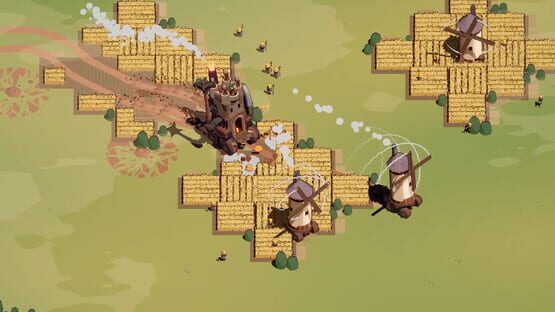
Charging at a bigger fortress without first reinforcing the modular arsenal usually ends in an avoidable defeat, a classic roguelike lesson where impatience costs you dearly. Relying on just one type of piece, whether siege weapons or arcane machinery, instead of combining both also limits your options against varied rivals. Moving too fast without taking advantage of the growth that conquered villages and fortresses leave behind is another typical stumble for newcomers.
Combining siege weapons with arcane machinery in the modular arsenal, instead of leaning on a single type, usually gives you more tools against different fortresses. Adapting that combination to what each devoured village leaves behind, rather than always keeping the same loadout, is a common practice in roguelikes that reward flexibility. Taking the time to reinforce the castle between fights, without rushing the next target, helps you keep up your growth pace during a run. Checking what kind of fortress is coming before you head out to face it also lets you tune the arsenal with better judgment.
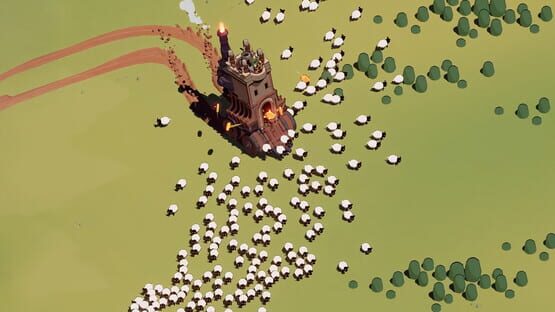
Randwerk is the studio behind Wanderburg, while Sidekick Publishing handles publishing for this indie roguelike with a minimalist look, made for players who enjoy strategy and simulation within the genre. It launched only on PC with Windows, with a release in September 2026.
Wanderburg came out on 8 de septiembre de 2026. Platforms, genres and ratings are on the Wanderburg game page.
Related games





Last updated: 23 de noviembre de 2026.
Powered by PairProgramming · custom software development, AI and automation.