


Guide
How to play Age of Empires
Where to buy


Published in 1997 by Ensemble Studios, this real-time strategy game puts you in charge of an ancient civilization, from its first steps to a power strong enough to rival its neighbors. You can choose from twelve different civilizations, each with its own traits, and advance through four successive ages, from the Stone Age to the Iron Age, unlocking new and upgraded units at each step. What set this game apart in the real-time strategy genre was how it built that historical progression on a 2D engine that ran well even on modest computers of the time.
Every match starts with a handful of villagers and basic resources that you need to manage in order to build structures, train units, and move up to the next age. The economy runs on gathering food, wood, gold, and stone, and it determines how quickly you can research technologies and train more advanced troops. The military side requires you to plan attacks and defenses around the units available in each age. A match usually alternates between peaceful growth phases, where your focus is the economy, and direct clashes with rival civilizations controlled by the computer or by other players.

At the start, spend the first few minutes strengthening your economy by assigning villagers to gather the different resources available before you think about a large army. During your first hour of play, it's worth practicing the move between ages with a simple civilization so you understand what you need to meet before advancing to the next stage of history. It also helps to review the traits of the civilization you picked, since some favor faster economic growth while others excel with their military units.
Moving through the four ages is the core of progress, because each leap unlocks units and technologies that completely change your tactical options. Keeping a steady flow of resources is essential to sustain that advance without falling behind rivals who progress faster. Building a solid defensive base before you attack enemy territory is also part of progress, since losing your economy to an unexpected raid can ruin an otherwise well-run match.

A common mistake is advancing to the next age too quickly without first building a solid economic base, which leaves you with few defenses against an early attack. Neglecting to explore the map is also common, and it keeps you from anticipating rivals' moves and claiming resources in areas that haven't been settled yet. Another frequent slip is building a large army without the right military technologies, which usually leaves your units weak against more advanced troops of the same age.
Assign enough villagers to gathering resources before investing in a large army, since a strong economy sustains a long war better than a rushed attack. Exploring the map from the start helps you locate extra resources and anticipate where rival civilizations are. Researching the military technologies available in each age before training troops in bulk noticeably improves your army's effectiveness in combat. Building basic defenses around your main base also keeps you from losing the progress you've made to surprise raids.

If you enjoy real-time strategy with a strong historical flavor, you'll feel at home with this game, and the same goes for anyone who wants to watch a civilization grow from its simplest beginnings into an organized army. Players new to the genre can also treat it as a classic formula that many later strategy games were built on.
Age of Empires came out on 15 de octubre de 1997. Platforms, genres and ratings are on the Age of Empires game page.
Related games


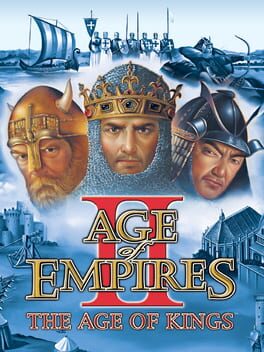
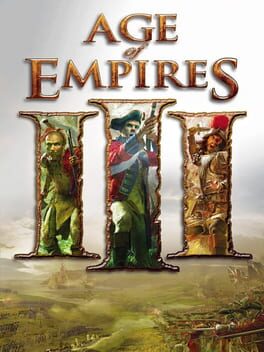
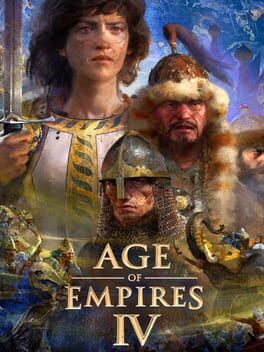
Last updated: 6 de noviembre de 2026.
Powered by PairProgramming · custom software development, AI and automation.